


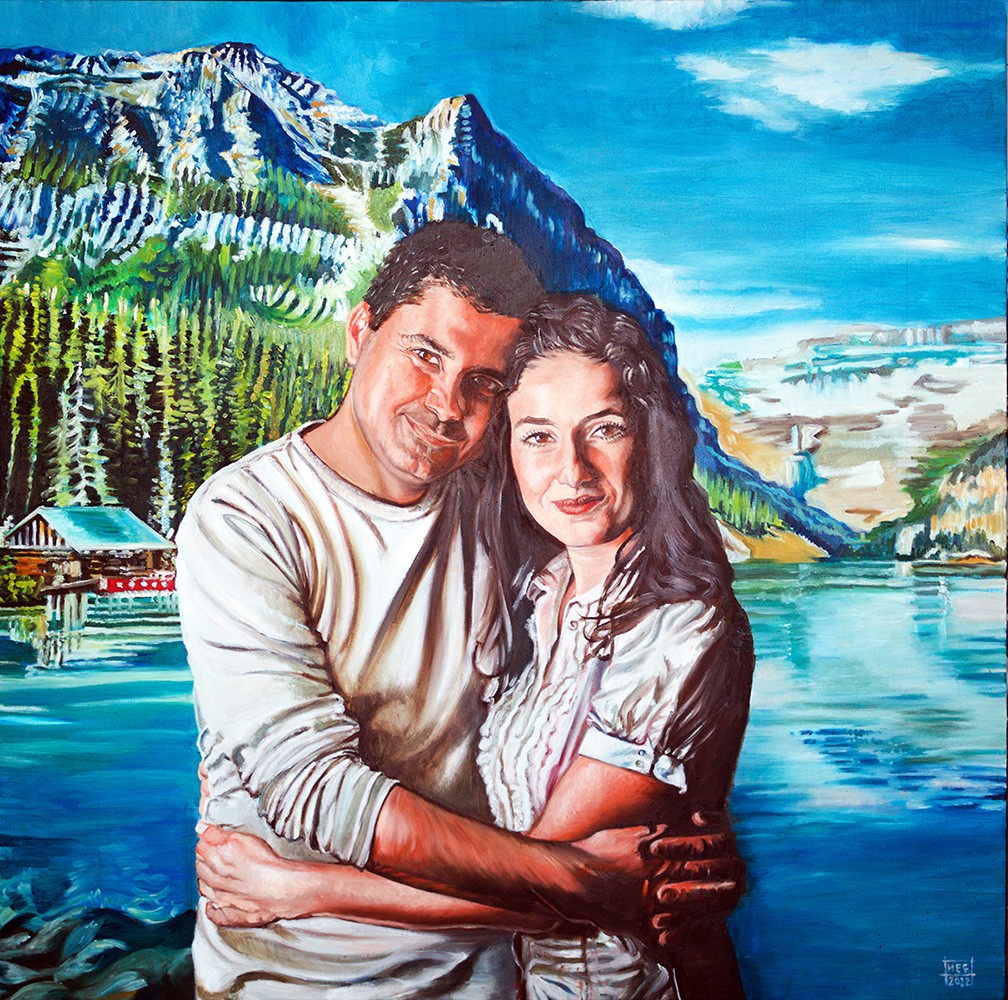
Couple Portrait Painting - A Romantic Gesture for Any Occasion
A couple portrait painting sets two people who belong to one another inside one frame. Its charm lies not in what it shows but in what it decides: the photograph captures a pose that existed, while the painting builds a pose that somebody chose. The collection of the National Gallery in London holds five works in which that decision is unusually plain to see. One of them is made of two separate panels. Each title below links to its page on the museum site, so you can look at the work as you read.
The oldest of them is The Arnolfini Portrait by Jan van Eyck, painted in 1434 and catalogued as NG186. A richly dressed man and woman stand in a private room. The Gallery writes that every object in that room was carefully chosen to proclaim the couple's wealth and social status without risking criticism for aping the aristocracy. The room itself is no copy of reality: close examination reveals inconsistencies, since there is not enough space for the chandelier and no sign of a fireplace. Nor is it a bedroom; it is a reception room, and the bed in it is a furnishing meant to be seen.
A Man and his Wife, an Italian portrait from the mid-1540s whose painter is hard to identify, shows that the decision can rest in a single pose. The Gallery writes that it was rare at the time for a man to be depicted with his hand resting on his wife's shoulder. Placing her on his right was slightly unusual too, since that was regarded as the position of honour. She stands before a fruiting lemon tree and holds a pink carnation, a flower associated with betrothals. Their bodies are angled towards one another, yet they look neither at each other nor at us.
That position of honour returns in Lorenzo Lotto. Portrait of Giovanni della Volta with his Wife and Children, completed in 1547 and catalogued as NG1047, places the woman on the man's right, which the Gallery calls unusual. At the centre stands a silver bowl of cherries, which forms the focal point of the portrait. One detail survives in the painter's own account book: Lotto wrote that on 23 September 1547 he gave a painting to Giovanni della Volta, his landlord, and the Gallery notes it may have been painted in lieu of rent. Double portraits of couples, it adds, were rare in Venice.
The sharpest decision of all belongs to Portrait of Jacob Trip and, beside it, Portrait of Margaretha de Geer, both by Rembrandt and dated to about 1661. The two paintings were made to hang together, intended, the Gallery says, for one of the grand reception rooms of the Trippenhuis, a palatial residence being built in Amsterdam for their sons. Husband and wife had been together for nearly sixty years and had twelve children. A couple portrait painting, then, can occupy two canvases rather than one.
The fifth work shows what happens when the portrait comes before the marriage. Mr and Mrs William Hallett, known as The Morning Walk and catalogued as NG6209, was painted by Thomas Gainsborough shortly before the marriage of William Hallett and Elizabeth Stephen on 30 July 1785. The couple are shown arm in arm on a morning walk with a Pomeranian sheepdog. Both were twenty-one, and they may be wearing their wedding clothes. The groom commissioned the picture and paid Gainsborough 126 pounds on 4 March 1786. The Gallery writes that it is as much a portrait of the romance of young love as it is a likeness of the two of them.
The five works differ in material, in century and in place. They agree on one thing: the couple in the picture was arranged, not caught. Who stands on the right, who rests a hand on whom, who meets our eye and who looks away, what enters the background and what stays out of it - these were settled by a person, not by chance. The charm of a couple portrait painting sits exactly there. They are not details that drifted into the picture but a statement about a shared life, built on purpose, and it goes on being read centuries later.
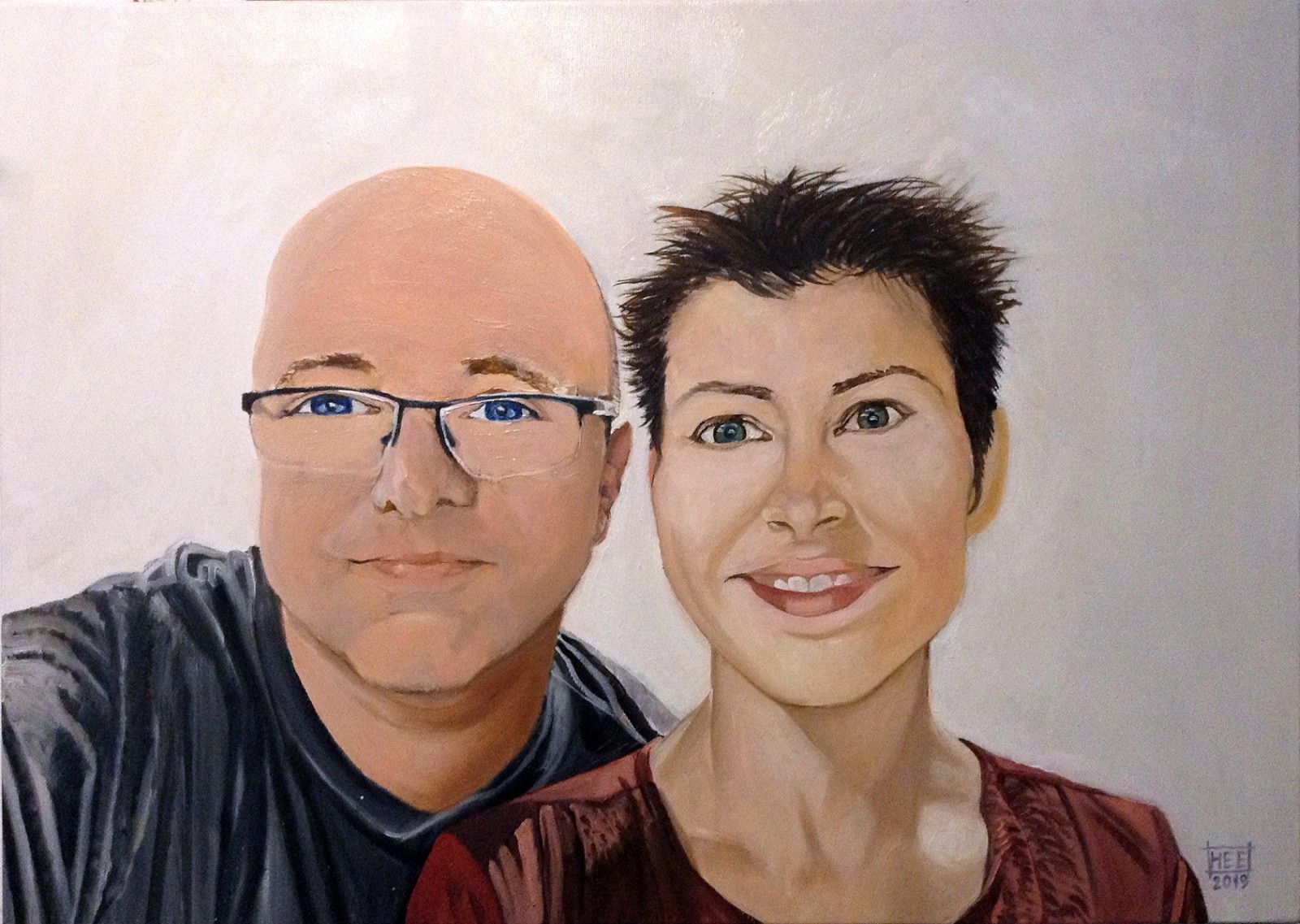
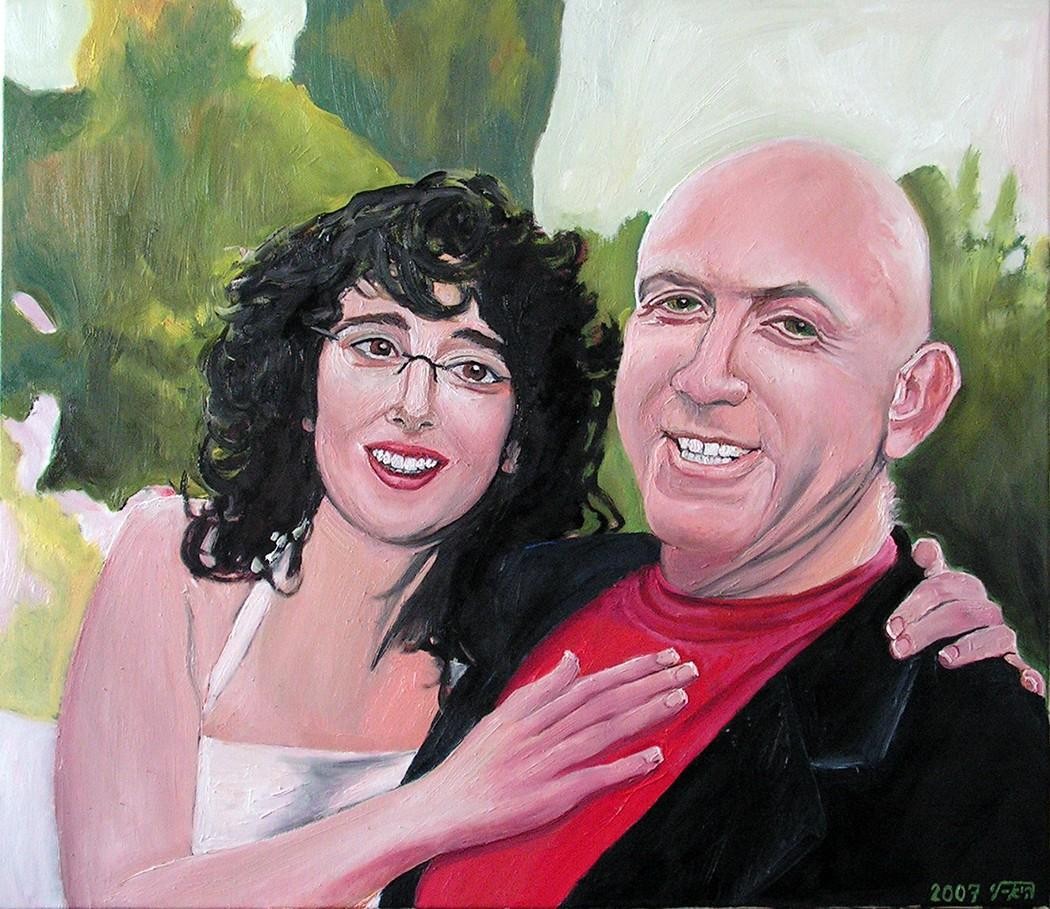
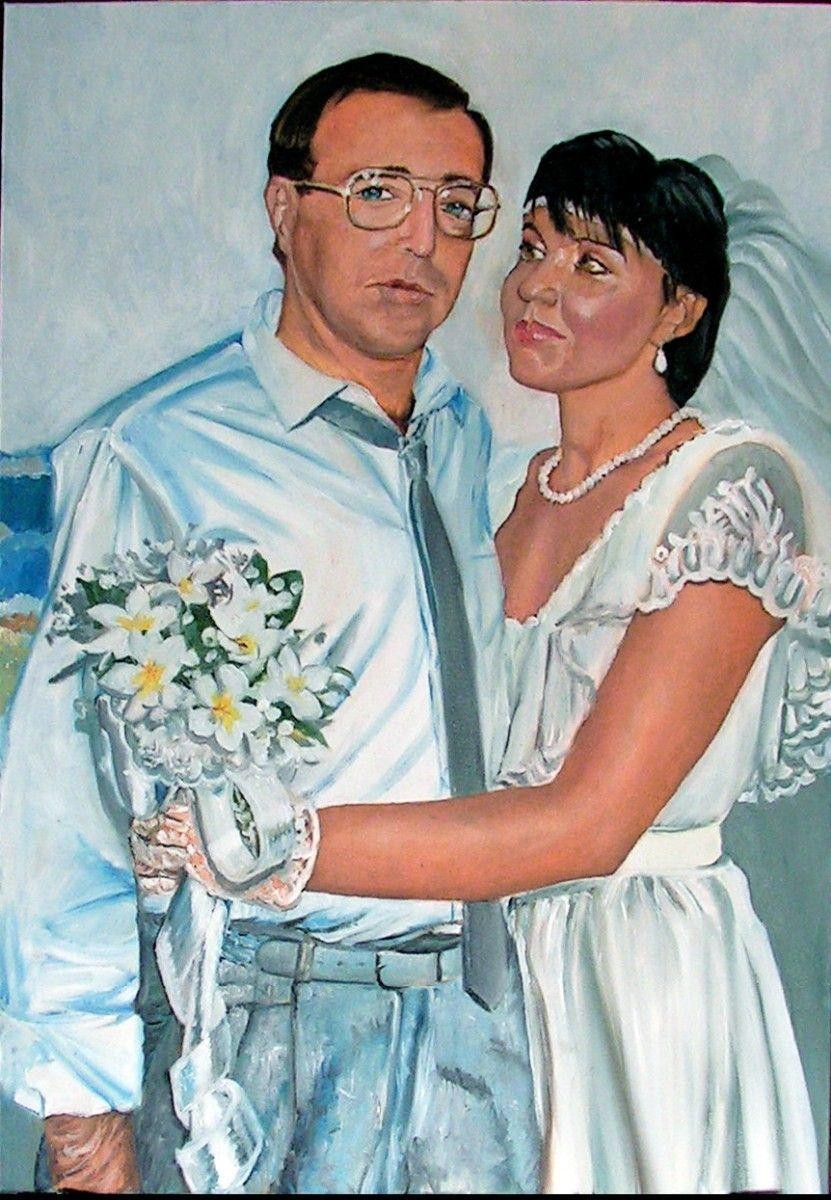
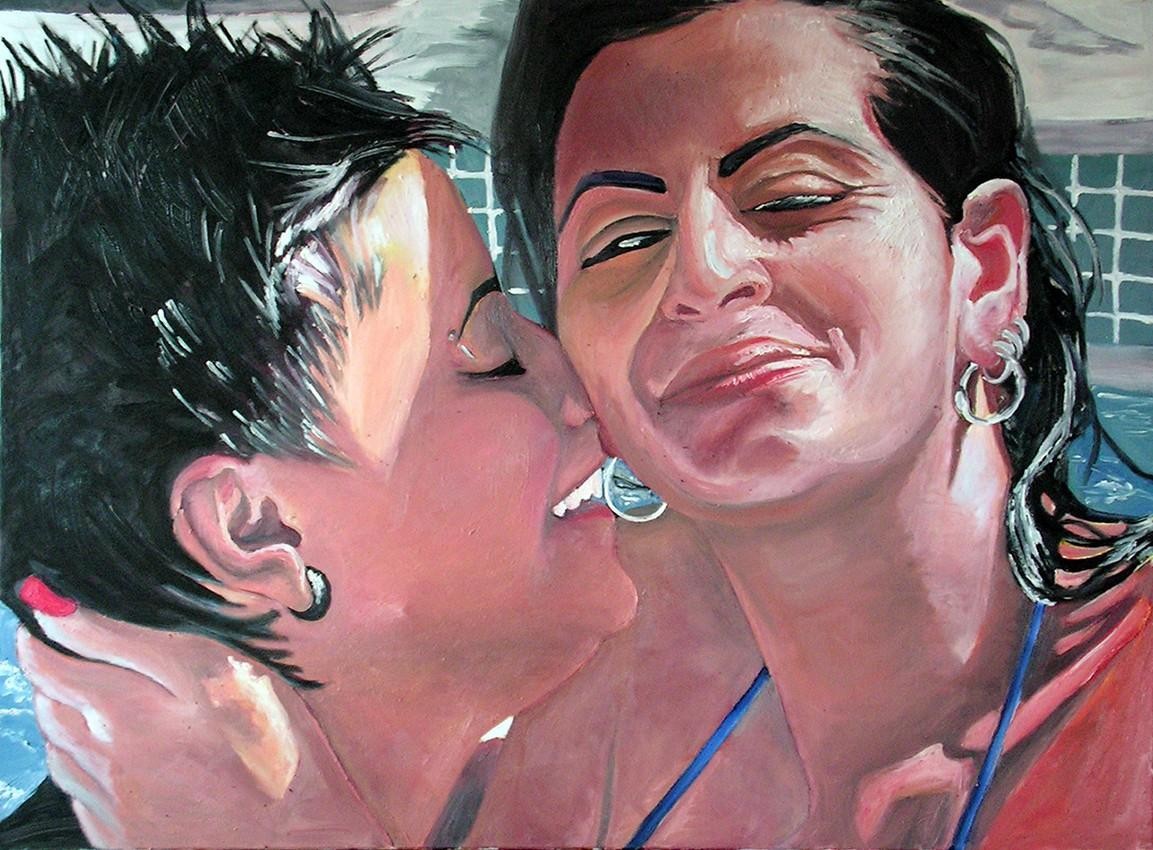
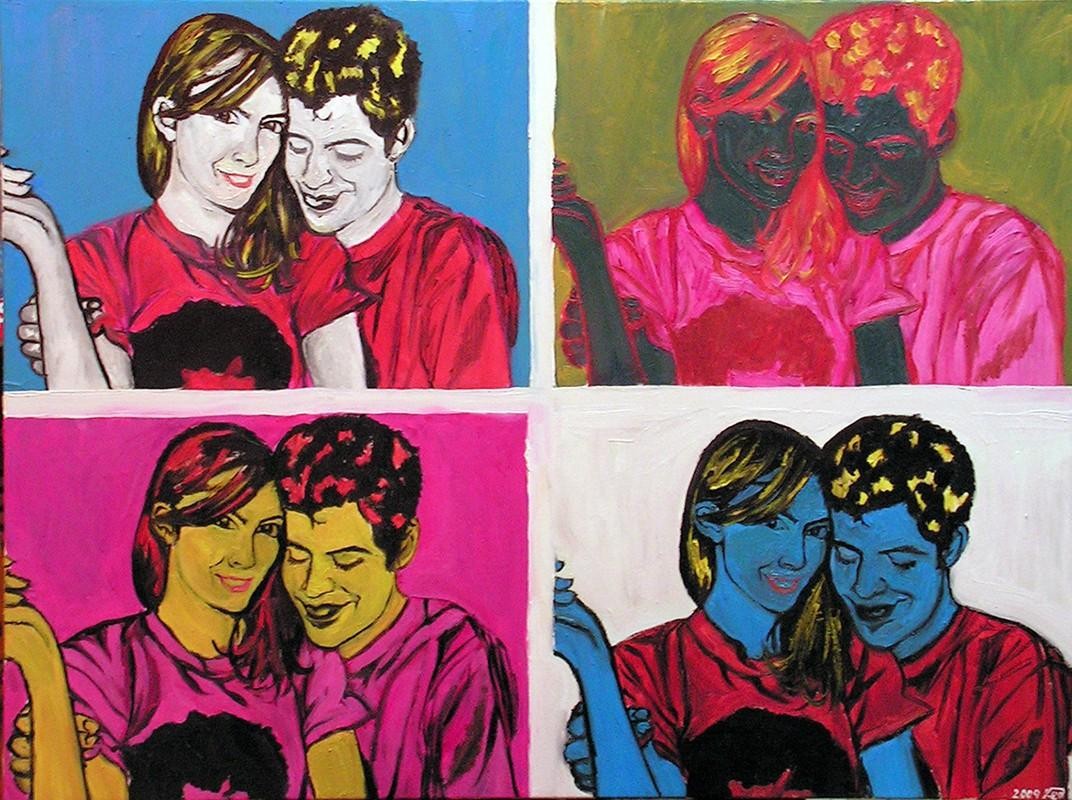
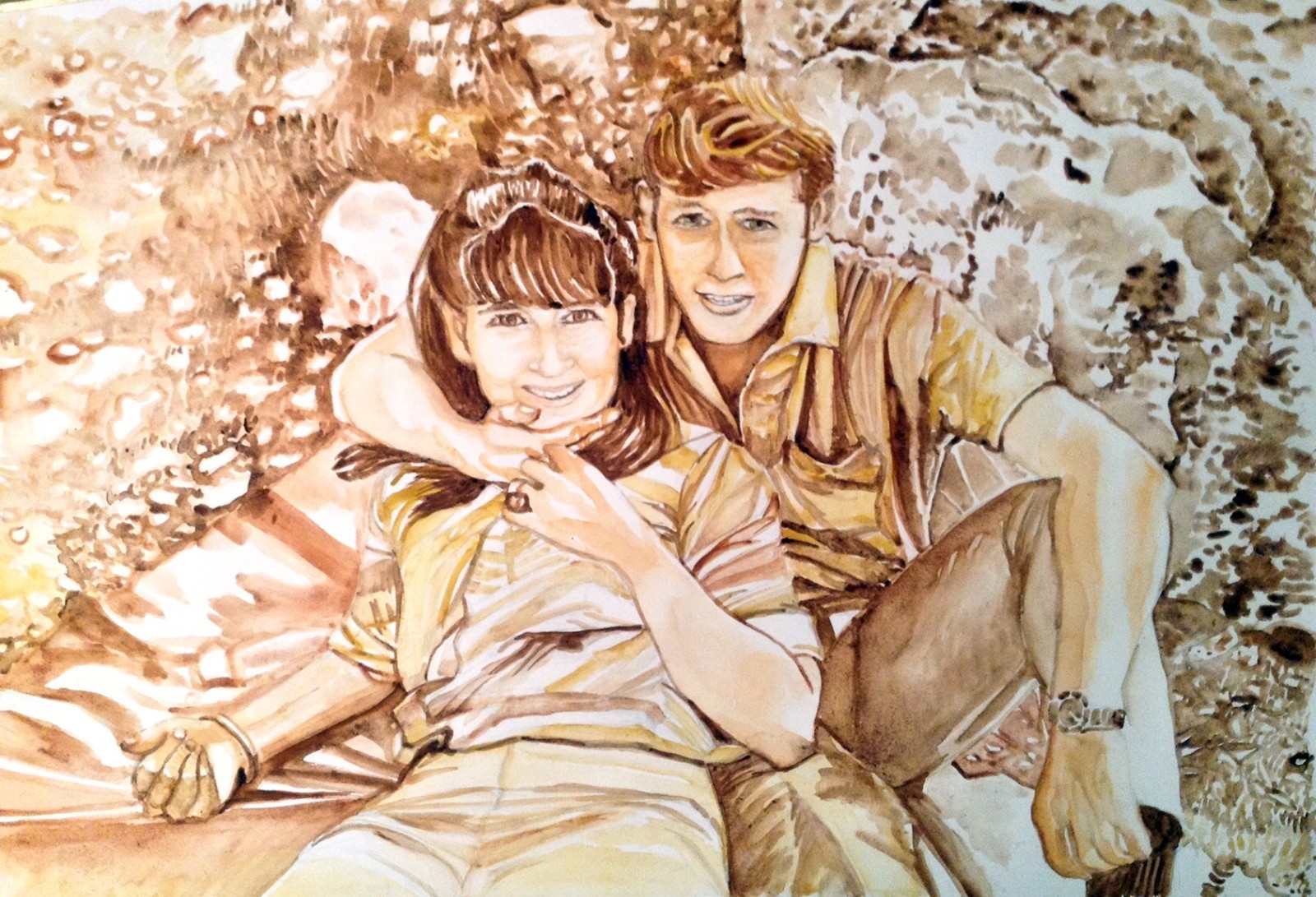
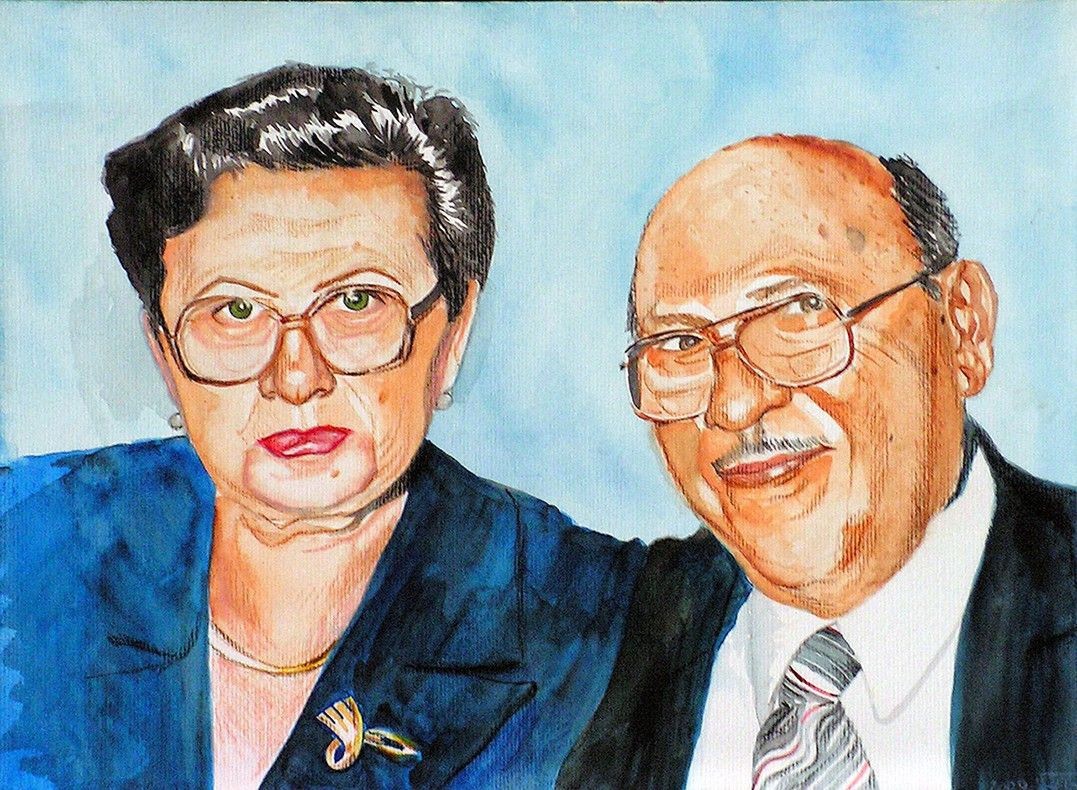
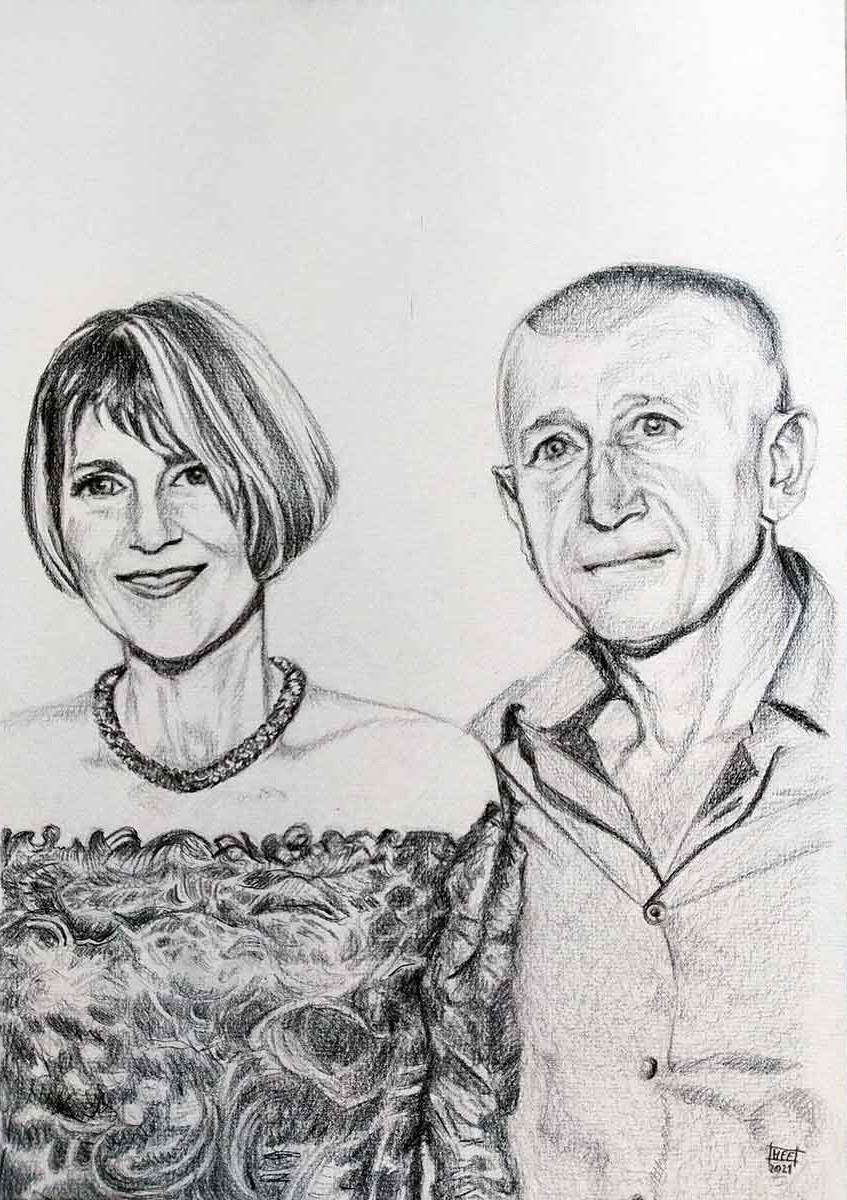
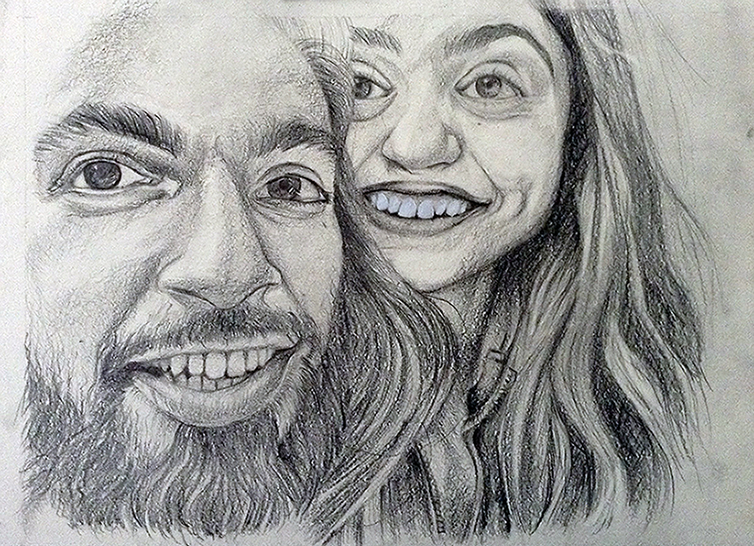
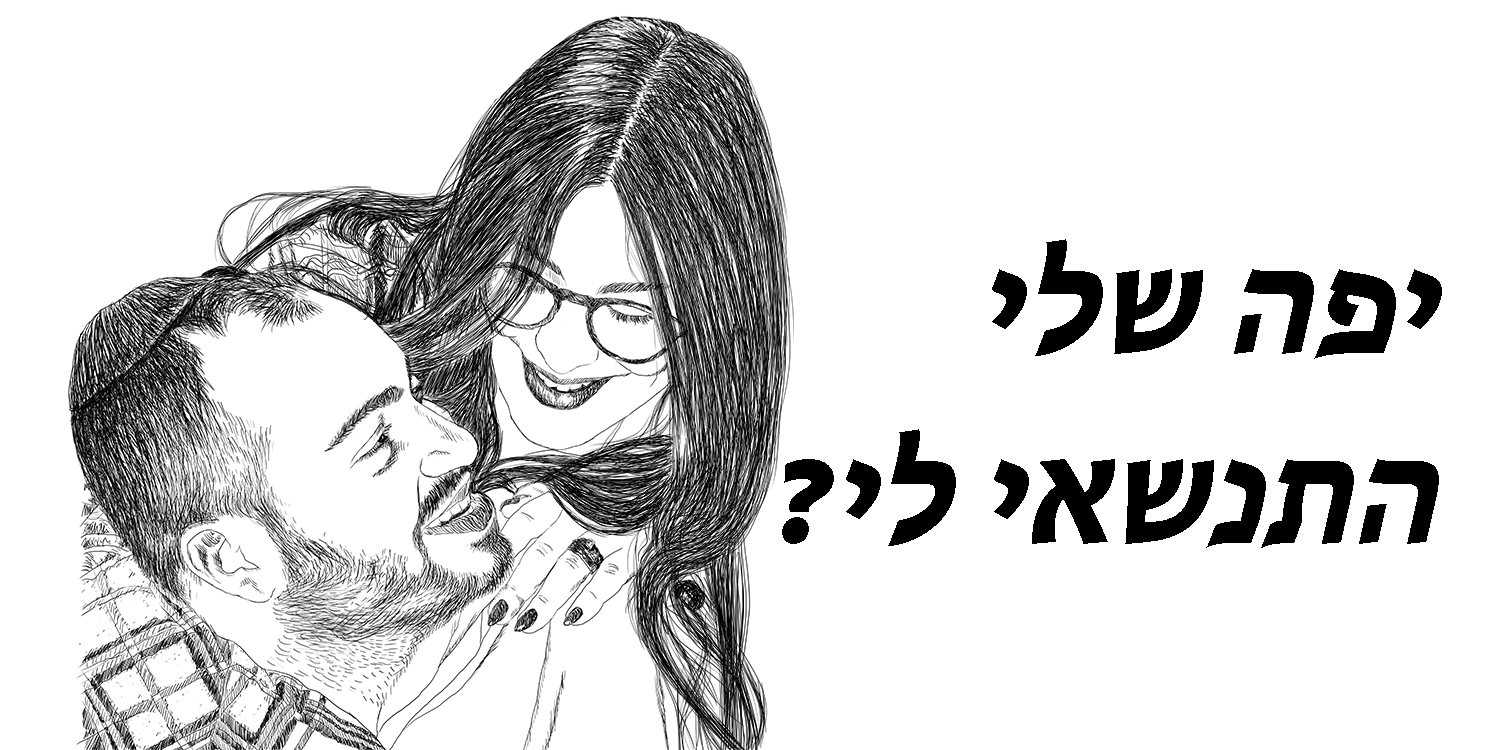
Those same decisions face anyone commissioning a couple portrait painting today. A commissioned couple portrait begins with a large, clear photograph of the two of you, sent to me by email, by WhatsApp or even by post. Then the technique is chosen: oil on canvas or acrylic, watercolor on paper, a drawing in pencil, charcoal or ink, or a digital portrait. The work starts as a sketch and the colour is built in layers. At the end I photograph the painting and send it to you for approval. You can also order a family portrait painting, or a portrait composed from several separate photographs.
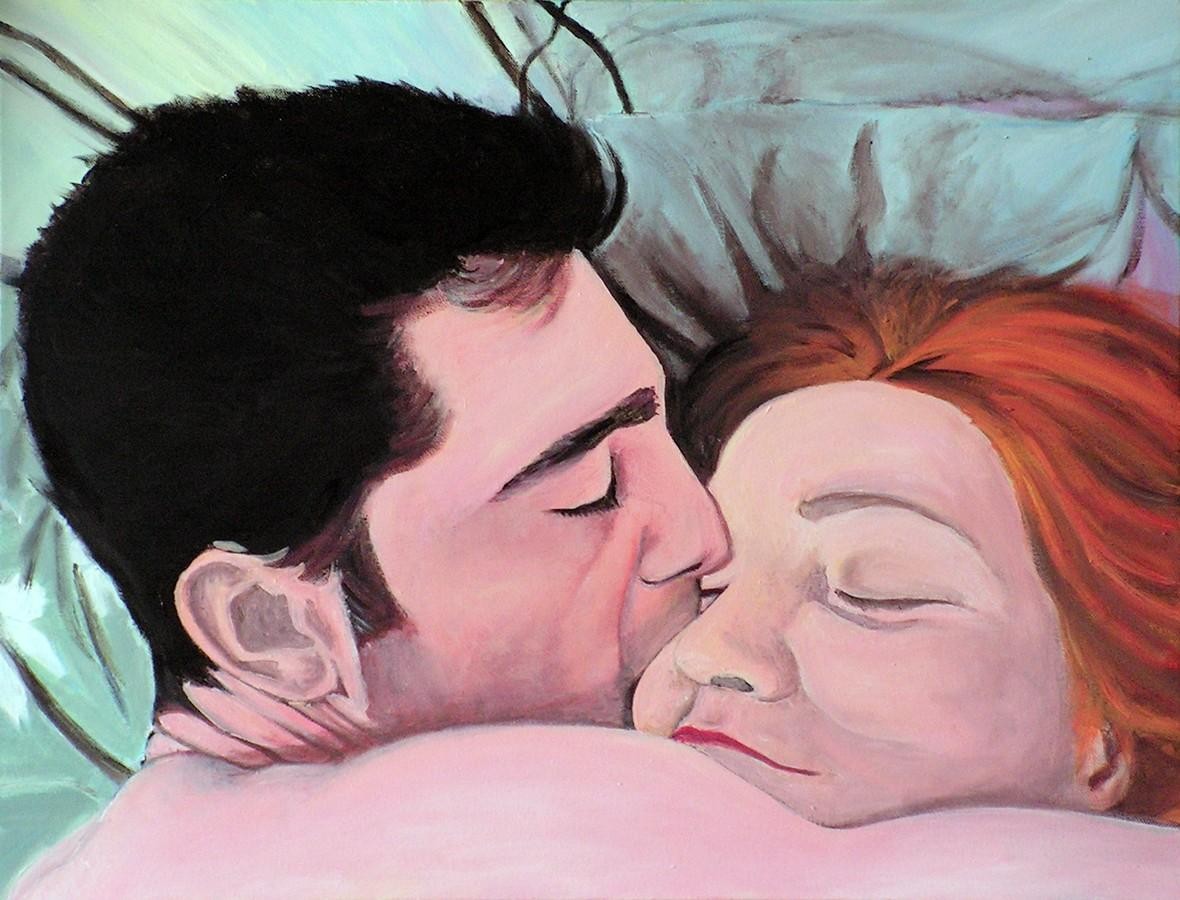
What happens when the painting arrives is hard to describe in advance. A couple seeing themselves painted by hand sees something that passes beyond the flat surface of a photograph: one look held, a small gesture made large, cheek against cheek kept that way. That is why a couple portrait painting makes such a romantic and moving gift for an anniversary, a wedding, a proposal or a golden wedding. It is also a gift for a couple that is never used up and never dates. A double portrait painting is a perfect gift for an anniversary, and an older couple receiving a joint portrait from their children receives, in effect, confirmation of their love and of the road they have travelled together. The painting goes up on the wall of the house and stays there. Over the years it becomes part of it.
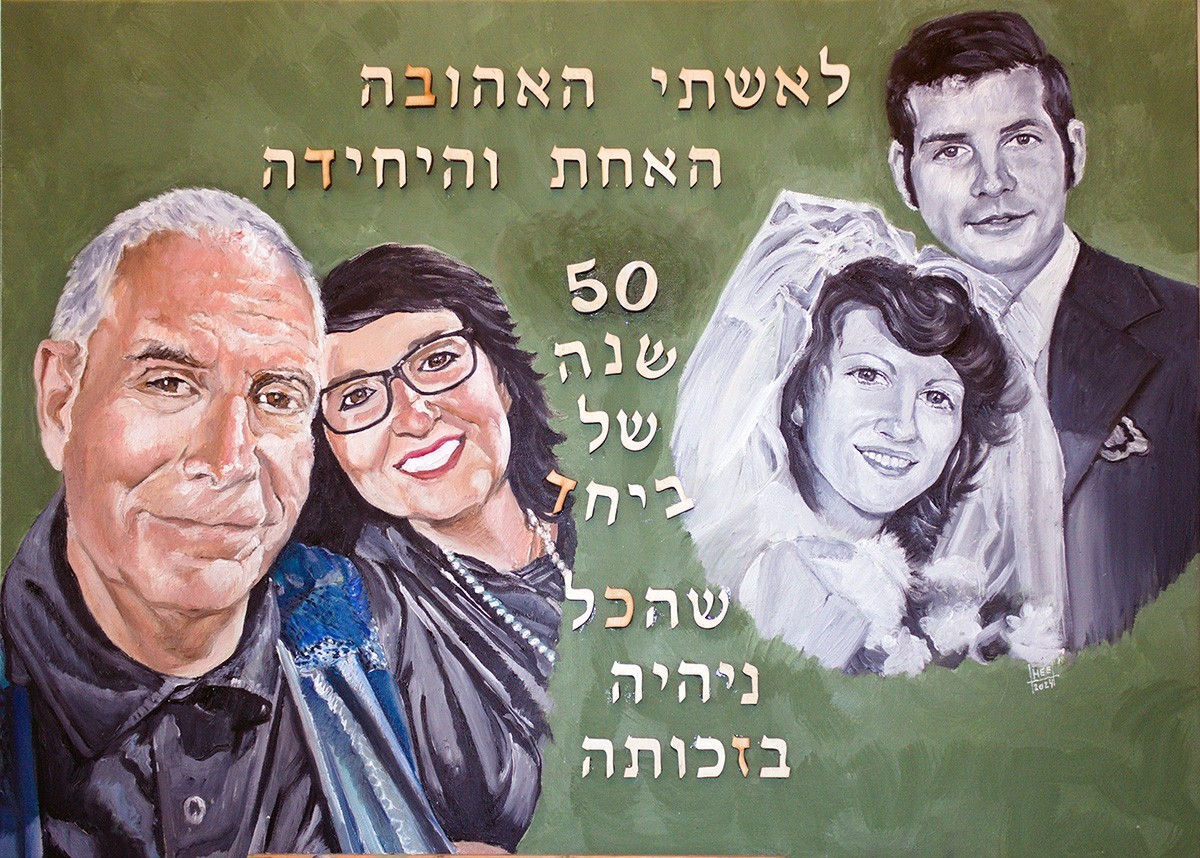
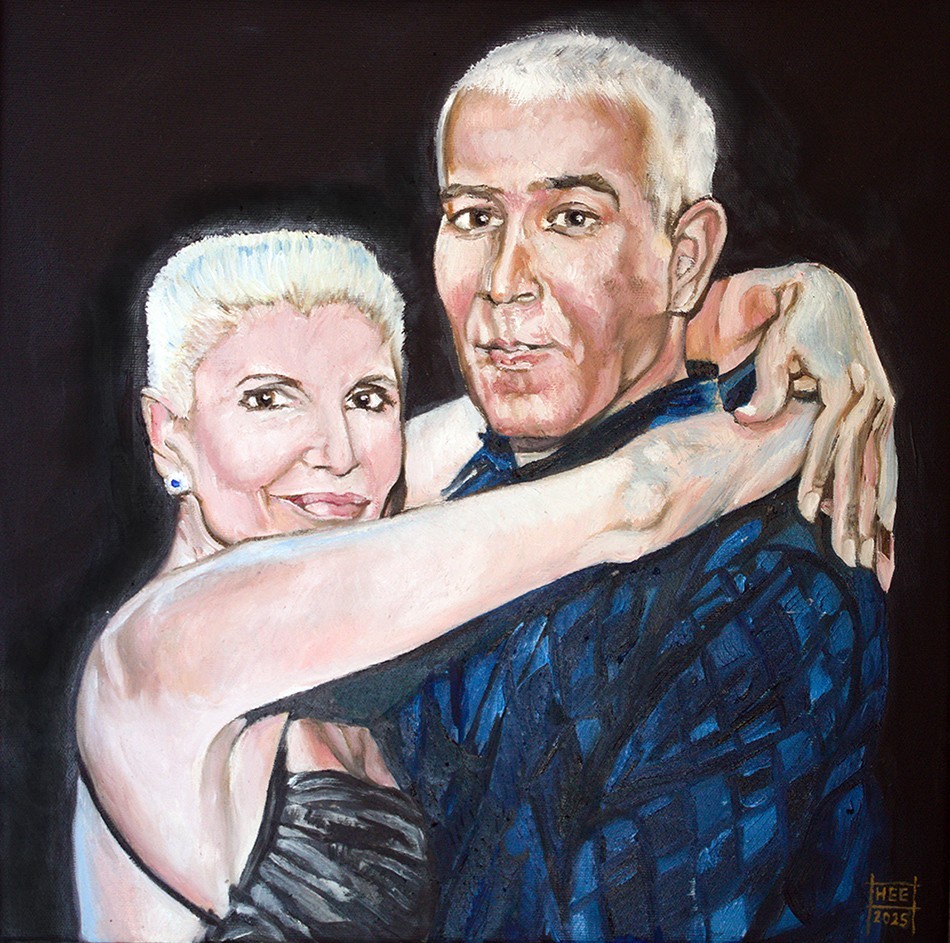
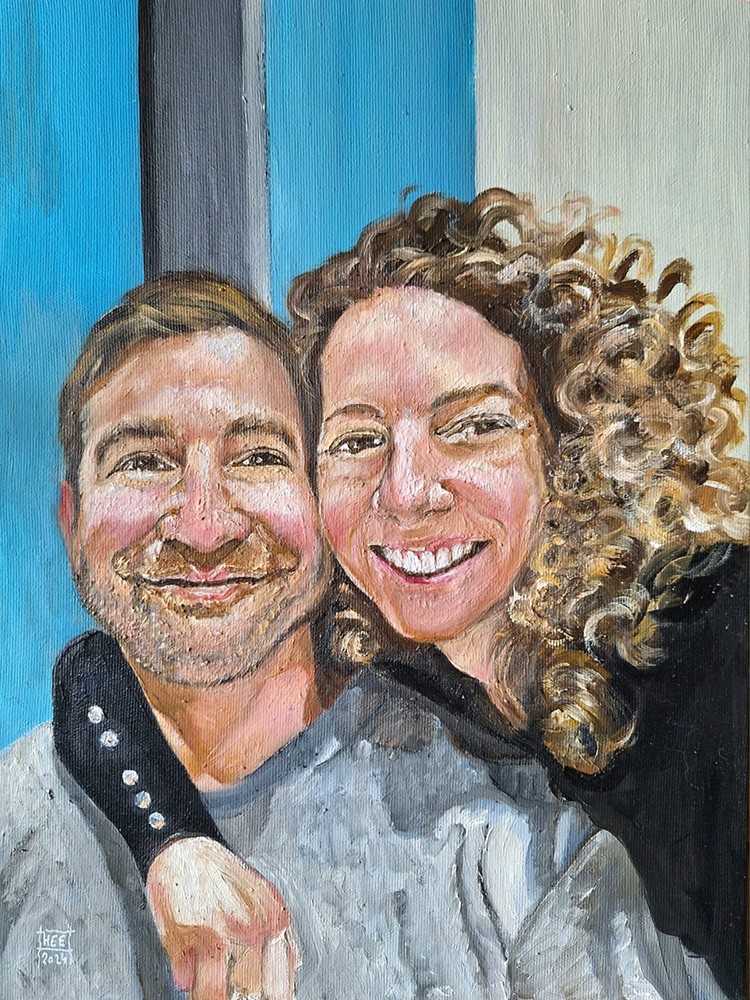
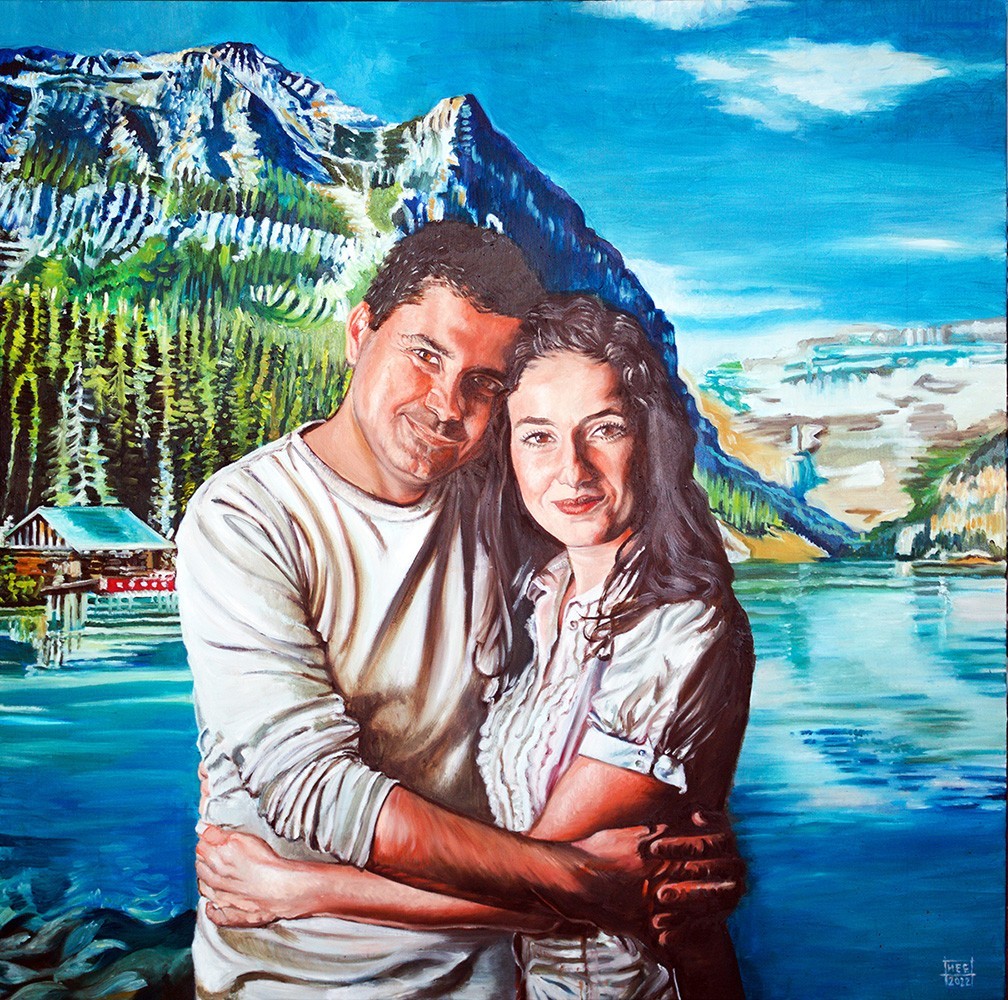
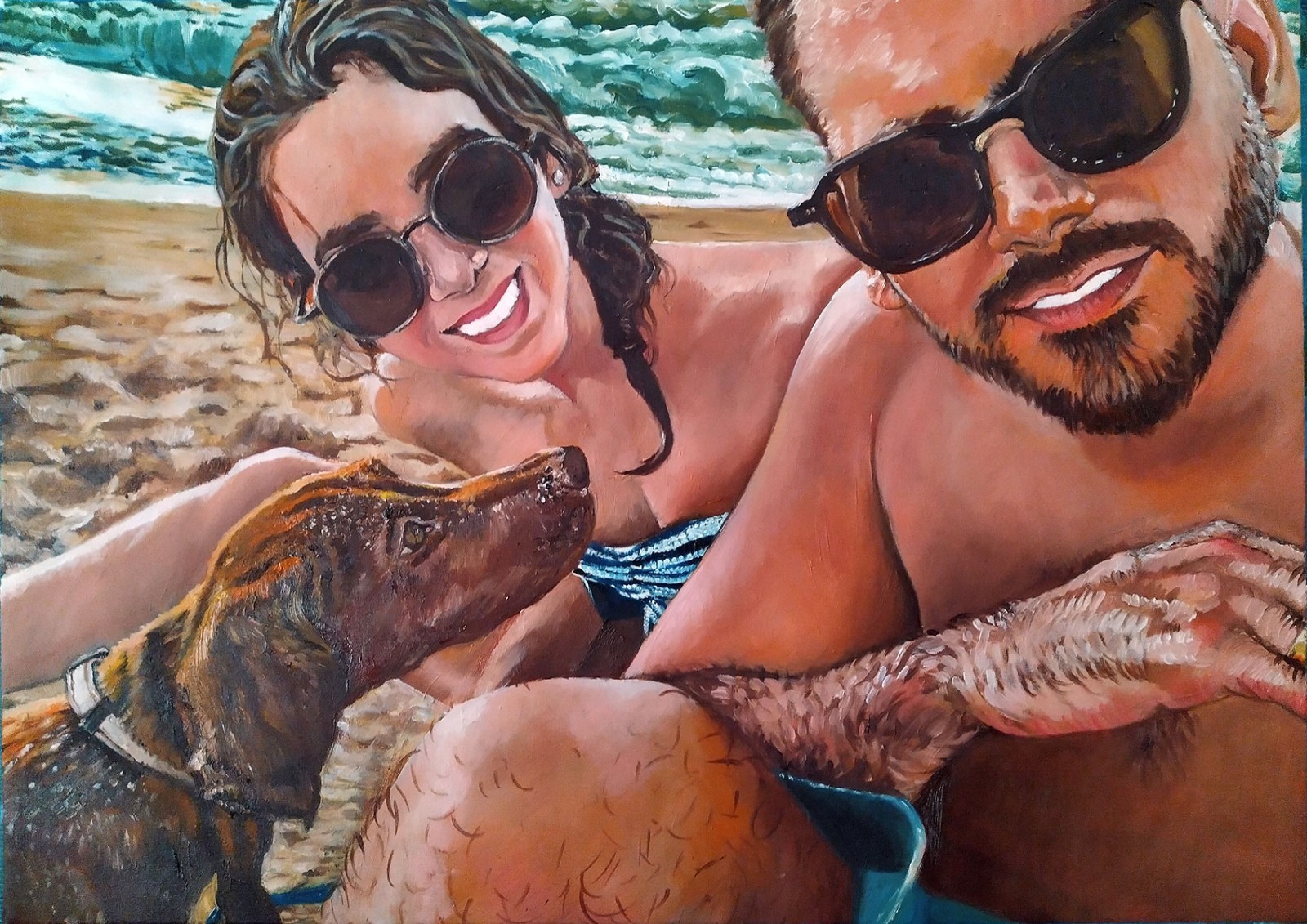
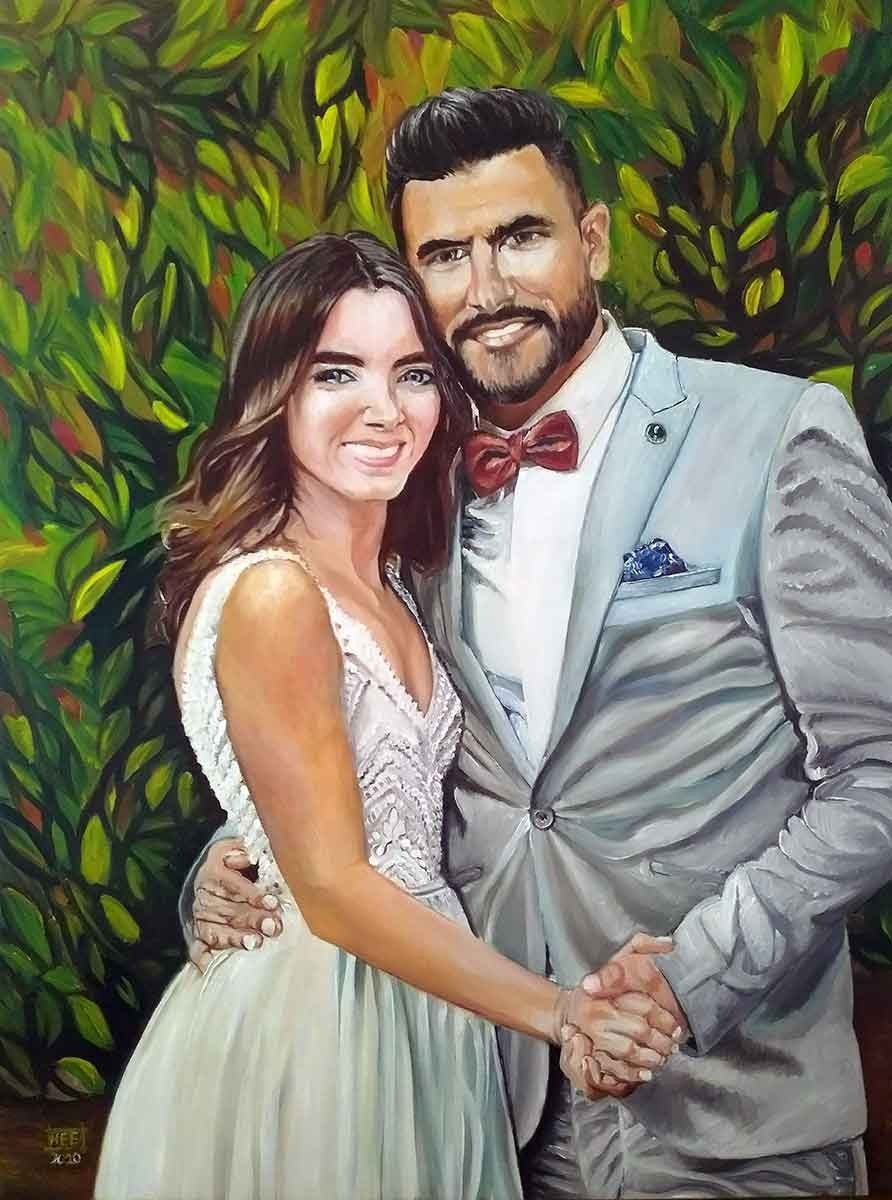
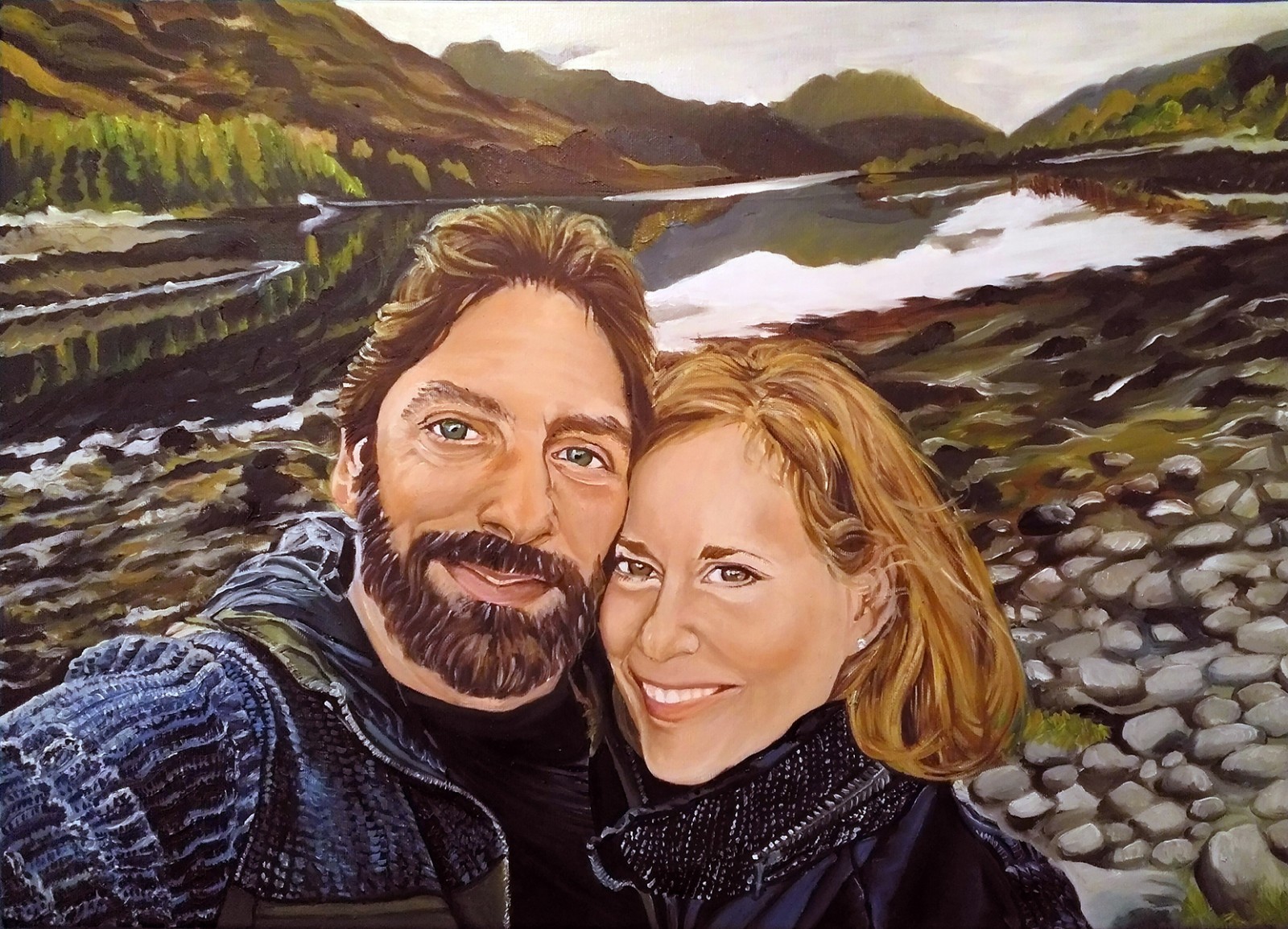
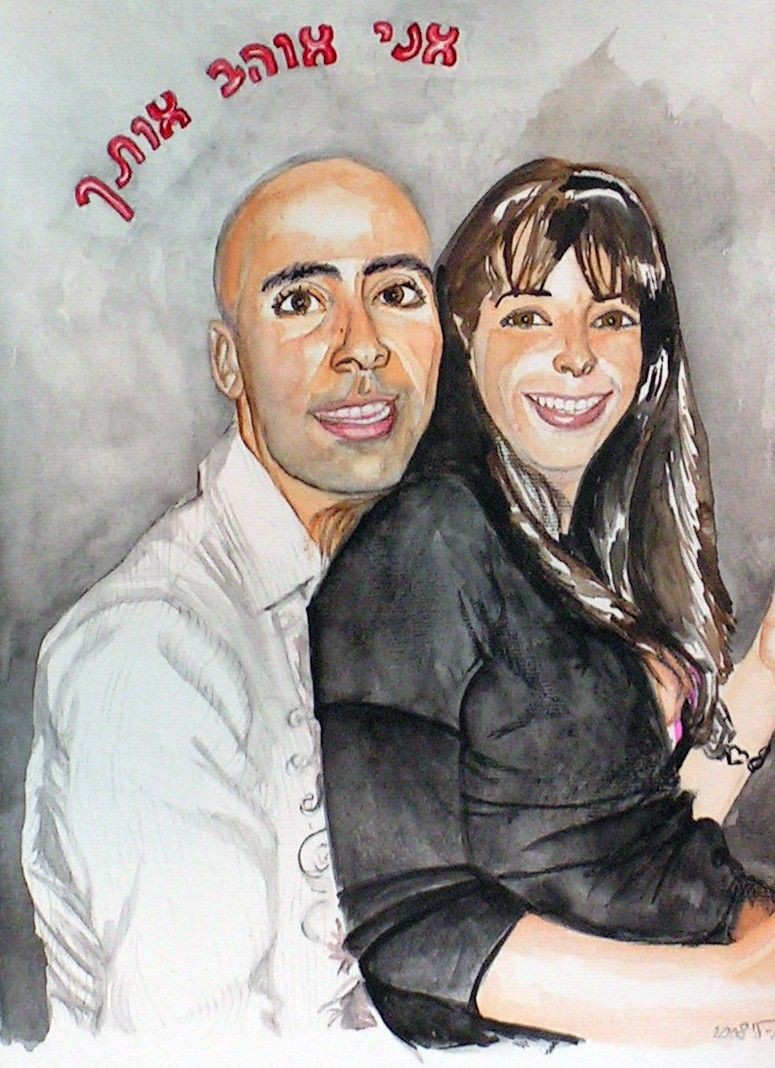
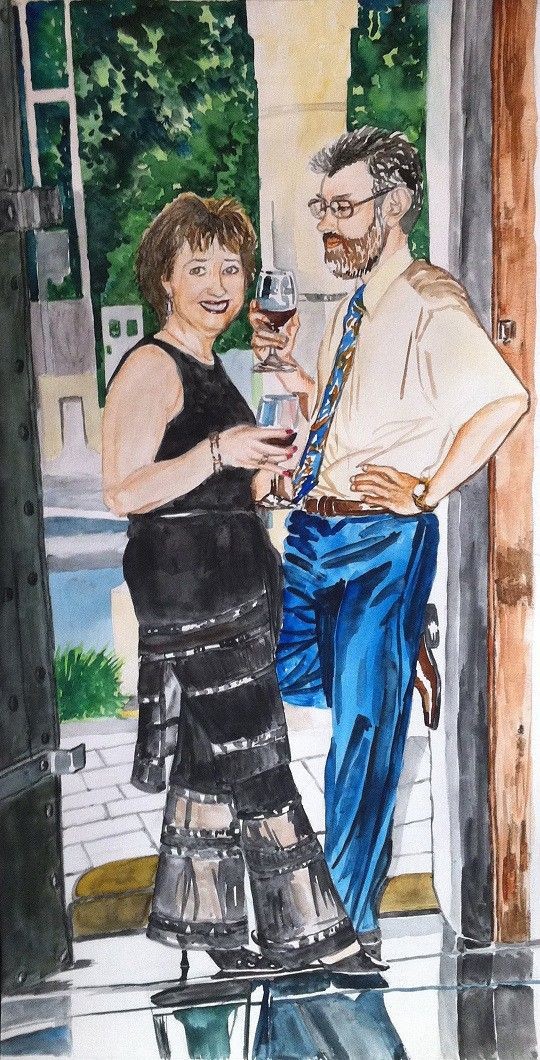
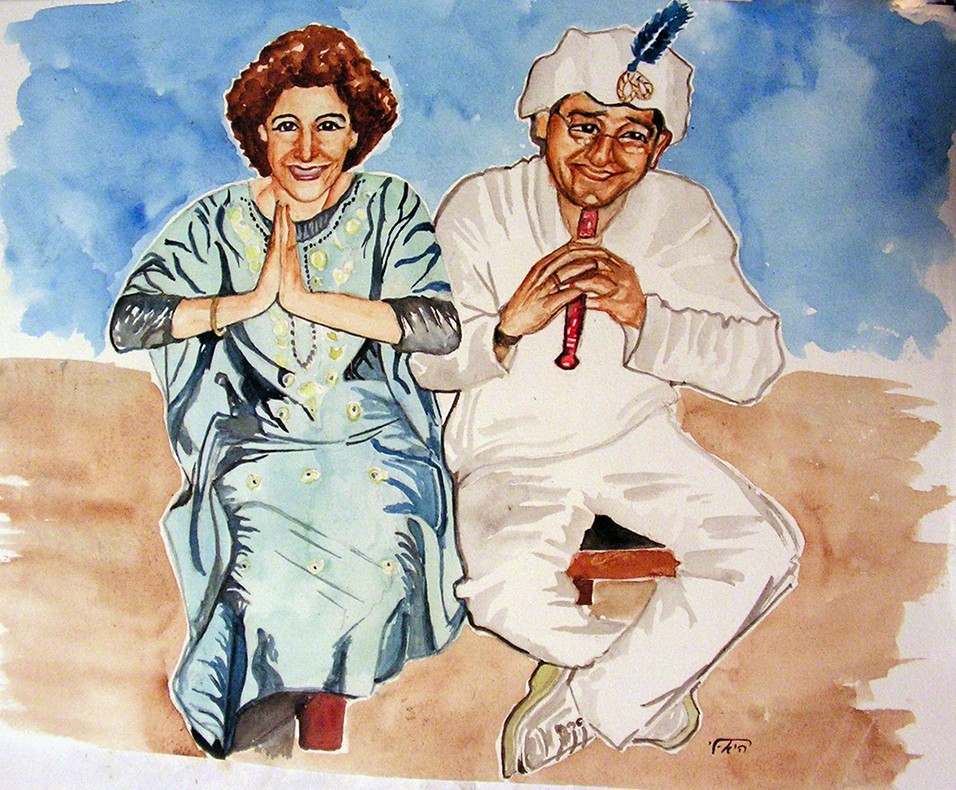
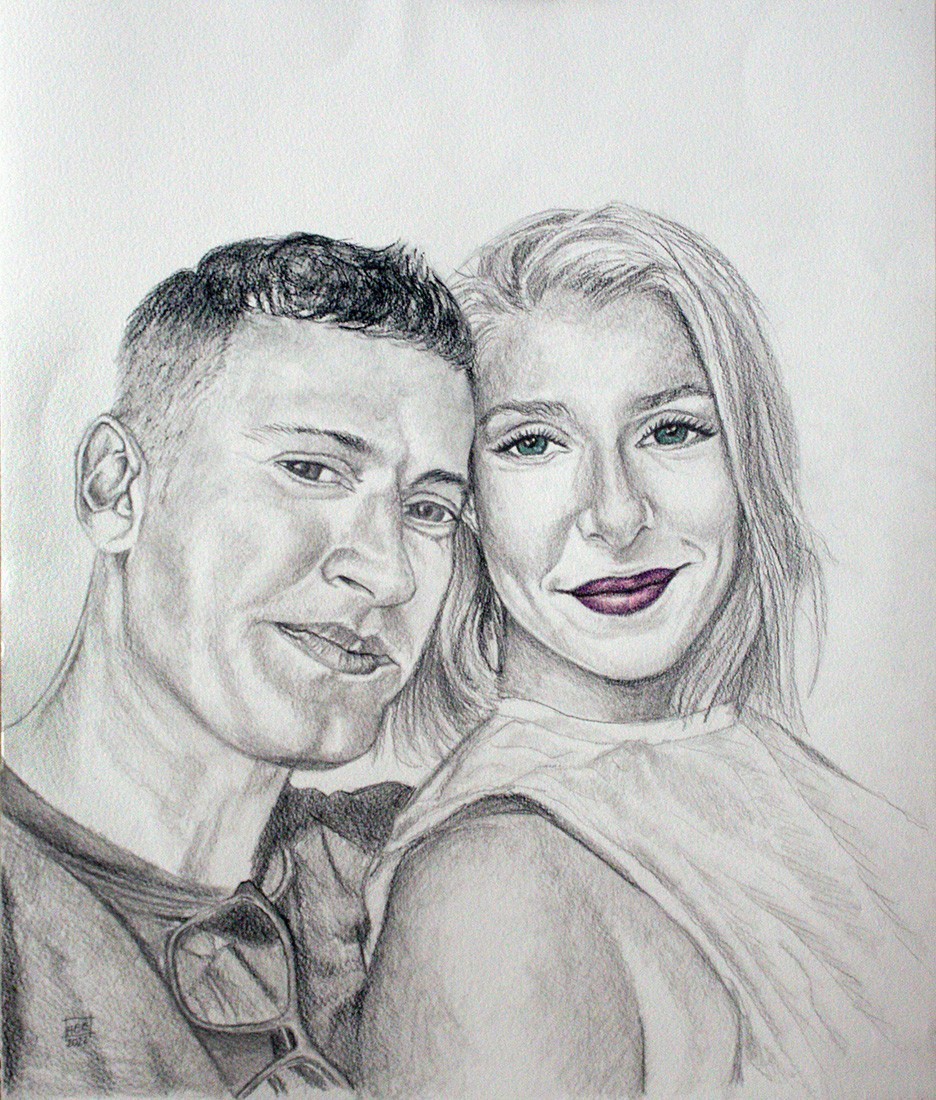

You are standing, then, before the very same questions: which moment to choose, who stands where, and what belongs in the background. You are welcome to consult me on technique and composition. If it suits you better, leave a phone number and I will get back to you for a consultation without obligation. Further answers about how the work is done and about the history of the portrait are on the site. In van Eyck and in Rembrandt those decisions are still being read centuries afterwards. In your own painting they are settled in the very first conversation.
Would you like a couple portrait painting of your own? Click here to get in touch