


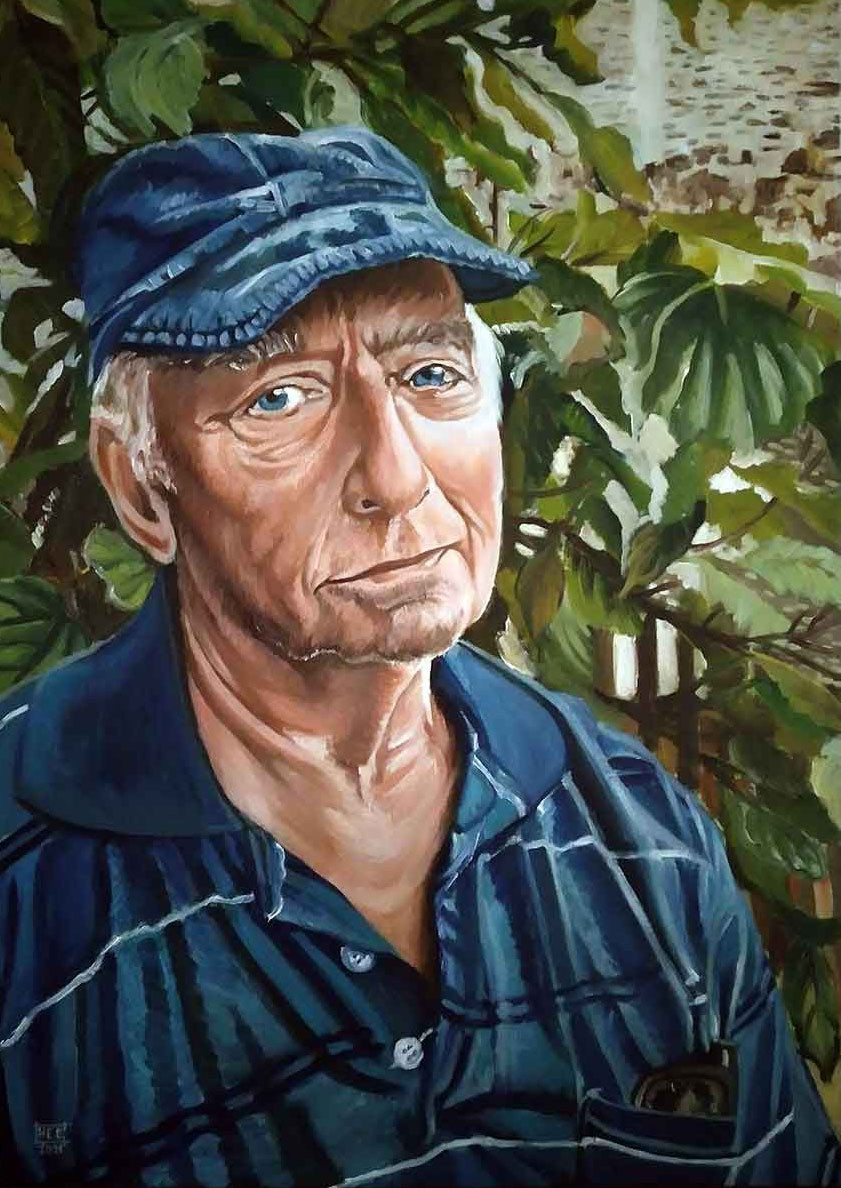
Wrinkles, Scars and Character: When Does Imperfection Turn a Custom Portrait Painting into a Masterpiece?
In 1862, Dr. Duchenne published a book in which he used electricity to analyze the movements of the facial muscles and recorded them in magnificent photographs. One of them shows an old man smiling naturally. In another photograph of the same man, his mouth is pulled back forcibly at the corners by electrical stimulation of the cheek muscles. Charles Darwin showed the second photograph to twenty-four people. Three of them had no idea at all what it was meant to express. The others described it in words such as "a wicked joke" and "trying to laugh." The first photograph, by contrast, struck every viewer at once as true to nature.
How did the two smiles differ? In his 1872 book, "The Expression of the Emotions in Man and Animals," Darwin admitted that he found it very hard to decide where exactly the difference lay. He marveled at how many shades of expression we recognize in an instant, with no conscious analysis on our part. Duchenne put the falseness down entirely to the muscles that ring the eyes: in the lower eyelids, they had not contracted enough. In Darwin's view this held much truth, though not the whole truth. Darwin himself also described the wrinkles. In laughter and in smiling, they form beneath the eyes and, in older people, at the outer corners as well. These wrinkles are highly typical of laughing and smiling.
The wrinkles at the corners of the eyes, then, are not a flaw added to the smile. They are part of it. This article sets out from that point and seeks to show that there is no reason to be ashamed of wrinkles and imperfections. Anyone who wishes can have them softened and refined in a painting. Along the way, the article answers several questions: what makes a portrait a portrait, why faces that are not beautiful in the conventional sense fascinate us, why we sometimes dislike photographs of ourselves, and what sets a flattering portrait painting made by hand apart from any photograph.
What Makes a Portrait a Portrait?
As the Metropolitan Museum of Art explains, a portrait does more than record a person's features. It tells us something about who that person is and gives a living sense of a real presence. The museum lists among the hallmarks of European portraiture a sense of reality: the evident aim of showing exactly how one specific person looked. Yet as Erwin Panofsky recognized, a portrait also "seeks to bring out whatever the sitter has in common with the rest of humanity."
The fine line between a representational portrait and a portrait with life in it runs between these two poles: a representational portrait, made to decorate, settles for likeness. A living portrait holds on to both, to the wrinkle, the scar and the telling line, alongside the smile and the gaze that all of us recognize.
From Apelles to Piero: Refinement as Part of the Tradition
The wish to look our best in a portrait is nothing new. In his "Natural History," Pliny the Elder tells how the painter Apelles made a portrait of King Antigonus, who was blind in one eye. Apelles devised a way for the defect not to be seen: he painted the king in profile and made sure to show only the side of his face that could be shown with no flaw at all.
The Metropolitan Museum describes the angles that European portraits customarily took. The profile view, a favorite on ancient coins, was often adopted in the fifteenth century. The three-quarter view, which draws sitter and viewer closer together, was also much loved. At times a portrait emphasized the sitter's beauty or bearing.
The Uffizi Galleries in Florence count the diptych in which Piero della Francesca portrayed Federico da Montefeltro, Duke of Urbino, together with Battista Sforza, his wife, among the best-known portraits of the Italian Renaissance. It is dated to around 1473-1475. The two are shown in profile. The Uffizi explains this through a fourteenth-century tradition inspired by ancient coins: a view that guaranteed a close likeness and an accurate account of the features.
An article published in 2016 in an ophthalmology journal offers another explanation. According to the article, the duke lost his right eye in an injury in 1450. That is why the painting shows him from the left. Most of the other portraits of Federico that have survived also show him from that side. But the portrait does not flatter everything: the nose in it is oddly shaped, and tissue is missing at its root. As early as the Renaissance, refinement and faithfulness live side by side in a single painting.
"Warts and Everything as You See Me": Cromwell, Rembrandt and the Face as It Is
Others asked for the opposite. In 1653-1654, Peter Lely painted the military leader Oliver Cromwell, who at the time held the office of Lord Protector. According to Art UK, the result was unflattering. It looks distinctly less royal than the portraits Lely had painted before. Cromwell is said to have asked Lely to use all his skill to paint him truly, with no flattery whatsoever. Pointing to his own face, he told the painter to note every roughness, pimple and wart. Otherwise, he said, he would not pay him a farthing. The portrait is now held by Birmingham Museums Trust.
Rembrandt turned his gaze on his own face. The National Gallery in London notes that some eighty of his self-portraits survive from a forty-year career, a number no other painter of his era came close to. His reasons for painting them varied: to practice expressions, to experiment with light, and to sell them to well-off patrons and collectors. In "Self Portrait at the Age of 63," one of three he painted shortly before his death in 1669, he is absorbed in the textures and colors of his aging face. He formed the drooping fold under his right eye with a single swirl of a heavily laden brush. The flaws on his brow consist of dabs of congealed paint.
Many writers and artists have seen in this an intense, unflinching, existential honesty. The National Gallery adds a caveat: his motives may have been simpler, a "professional fascination with the textures, flaws and subtleties of the human flesh." Either way, the flaws here became the very stuff of the painting.
Why Can an "Ugly" Painting Move Us? Massys's Duchess and the Question of Beauty
The National Gallery's collection also holds "An Old Woman" by Quinten Massys, from around 1513. In the gallery's words, this "must be one of the most arresting faces in the National Gallery's Collection." Her eyes are lively and deep-set, her nose is snub, her nostrils broad and her skin pimpled. A hairy mole sits on her face, her forehead bulges and her chin is square and prominent. According to the gallery, she "brazenly challenges every traditional canon of beauty and rule of propriety."
The painting is one of a pair of satirical portraits that ridicule old people who dress and act as though they were young again. Yet it also records the rise of the grotesque as a subject for painting, in the word's original meaning: the surprising, the unusual and the playful. According to the gallery, Massys, like Leonardo da Vinci, who was active at the same time, was drawn to the expressive force of the human face, and Leonardo made a vast number of studies of grotesque heads. Because she was later wrongly identified, the woman acquired the nickname "The Ugly Duchess." The painting, or one of its many versions, was the model for the Duchess whom John Tenniel drew for Lewis Carroll's "Alice's Adventures in Wonderland." The nickname stuck, and the figure became a familiar icon to generations of readers.
Why do such faces fascinate us? Aristotle offered an answer in his "Poetics." In his view, "we enjoy looking at accurate likenesses of things which are themselves painful to see," such as loathsome beasts and corpses. The pleasure, he explains, lies in learning: while looking, we work out what each thing is. A portrait that does not flatter teaches us something about time, about the life that has passed over a face, and about ourselves. Ugliness as a fashion, from social media to the runway, is the subject of the article Ugly Is the New Beautiful.
What Do Wrinkles Tell?
Many people believe that wrinkles reveal which emotions a person felt most often over a lifetime. According to this belief, wrinkles come to resemble the expression of those emotions: someone who smiled a great deal will carry smile lines on their face. Research that appeared in the Journal of Experimental Social Psychology in 2012 examined how others read the emotions on such faces. Young participants rated old and young faces showing identical expressions. According to the findings, emotions on older faces are read with less clarity. Wrinkles and folds may therefore interfere with reading the emotion a person feels at that very moment.
This finding and Darwin's observations do not contradict each other. The smile lines at the corners of the eyes belong to the expression. Other lines may weigh it down. In a portrait, the first can be kept and the others softened.
Scars and Kintsugi: When a Crack Speaks of Care
What about scars? The collection of the Smithsonian's Freer Gallery of Art holds a Japanese stoneware tea bowl from 1510-1530. Its cracks were mended with Japanese lacquer dusted with gold powder, a technique known as kintsugi. According to Smithsonian Magazine, this way of mending "alludes to the Zen philosophy of embracing imperfections." Frank Feltens, a curator at the museum, says the repair shows how highly the bowl was valued over the years: people do not go to the trouble of an elaborate repair unless the object holds emotional or material value for them.
A scar on a face is not a bowl, but it too is a sign of something a person has lived through. In a portrait, it can be left as it is or refined. The decision rests with whoever commissions the portrait.
"I'm Not Photogenic": What Lies Behind the Feeling?
The first explanation has to do with the mirror. In a 1977 experiment, participants significantly preferred their own face as seen in a mirror. Their friends, by contrast, preferred the ordinary image, the one that is not reversed. An article published in 2010 in Frontiers in Psychology explains this through the mere exposure hypothesis: the image we see more often earns a more favorable evaluation. Each side prefers the face as it is used to seeing it.
The second explanation is the camera. In 2018, researchers from Rutgers New Jersey Medical School and from Stanford's Department of Computer Science published a mathematical model of the distortion that a selfie creates. Taken from about 12 inches (30 cm), a selfie makes the nose look 30% larger in men and 29% larger in women, relative to the width of the face. From 5 feet (1.5 m) away, a standard distance for portrait photography, there is almost no difference. According to the researchers, the distortion misrepresents the true shape of the nose.
The third explanation lies in our own perception. In the 2008 study "Mirror, mirror on the wall," from the University of Chicago's Graduate School of Business, participants' faces were morphed by computer into more and less attractive versions. Participants tended to pick out the enhanced version as their own face. According to the researchers, people recognize their own faces as more attractive than they really are. The bias appeared with a friend's face too, but not with the face of a relative stranger.
Often the problem lies not in the face but in the photograph. A photograph shows the face reversed from what we are used to seeing in the mirror. Up close, the camera distorts it as well. Missing, too, is the slight enhancement that we and our friends lend to familiar faces.
Filters add another layer. In 2018, three authors from Boston University's medical school wrote in JAMA Facial Plastic Surgery about people who become fixated on a flaw that exists only in their imagination, prompted by filtered selfies. They report that 55 percent of surgeons said patients had asked for changes to their appearance so that they would look better in selfies. Three years earlier, the figure was 42 percent.
A new phenomenon, dubbed "Snapchat dysmorphia," leads patients to seek cosmetic surgery so as to look like the filtered version of themselves. According to Neelam Vashi, one of the authors, some patients arrive with filtered photos wanting to change the shape of their face, whiten their teeth and make a blemish disappear. The prevalence of filtered images, the authors wrote, can damage self-esteem and leave people feeling not good enough because they do not look that way in reality. The filtered selfie, they add, often presents a look that cannot be attained and, for these patients, blurs the line between reality and fantasy.
An encouraging finding comes from the University of Mannheim. In seven studies, psychologists there found a gap between how we judge ourselves and how others judge us when we show vulnerability. This held in situations such as declaring love, exposing bodily imperfections and asking for help. In a follow-up study they summed it up: "People tend to be overly critical of their own displays of vulnerability, whereas observers evaluate others' showing of vulnerability rather positively." They called the phenomenon the "beautiful mess effect."
An older finding points in the same direction. In 1966, an experiment showed that a highly capable person becomes more likable after slipping up clumsily. According to the researchers, such a person may be seen as superhuman and therefore distant. The slip humanizes him and makes him more appealing. The experiment dealt with blunders, not with appearance. For a mediocre person, the same blunder actually reduced the liking.
When Your Phone Is Full of Photos, Why a Painting?
In 2015, researchers from the Technical University of Munich, WU Vienna and Cornell University published a study in the Journal of Marketing. According to the researchers, as reported in a release from the American Marketing Association, a handmade product may be perceived as holding and passing on the maker's "essence," in the form of the maker's love for what they made, something a machine-made product cannot convey. Participants showed a clear preference for handmade items when shopping for someone they loved. This held true even when they did not know the maker, or even who the maker was. Among the items in the study were soap, ceramic mugs, stationery and leather goods. According to the researchers, highlighting that a product is handmade can make it far more attractive, especially when buyers wish to express love for someone.
A custom portrait painting takes this idea further: all the handwork in it is devoted to the face of a single person. Alongside love, a portrait painting also carries a tradition of honor. Three of the historical portraits in this article depict a king, a duke and a Lord Protector. According to the Met, a full-length portrait was always a costly and grandiose choice. It lends the sitter an aura of power and composure.
"She Doesn't Like Photos of Herself": A Flattering Portrait Painting as a Gift
What can you do when someone dear to you does not like photographs of themselves? The studies above suggest a starting point: often the problem lies in the photograph, not in the face. A custom portrait painting begins with a photograph, but it does not end there.
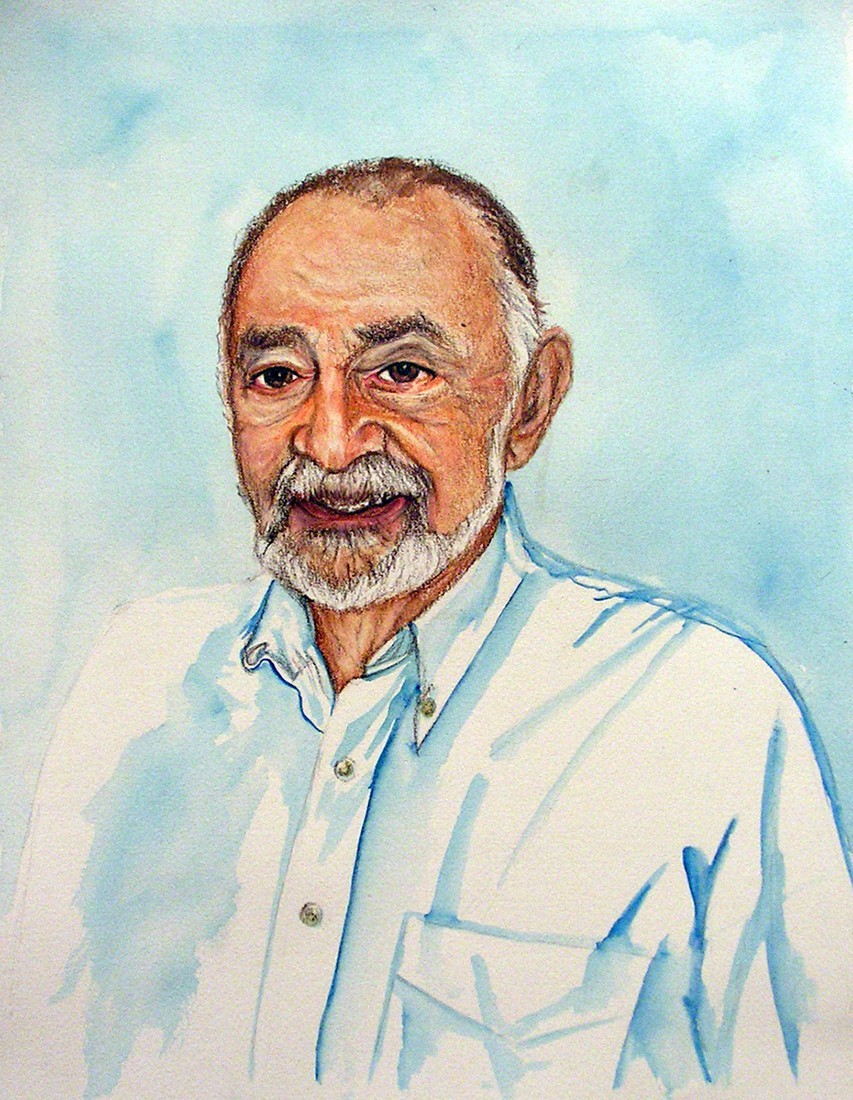
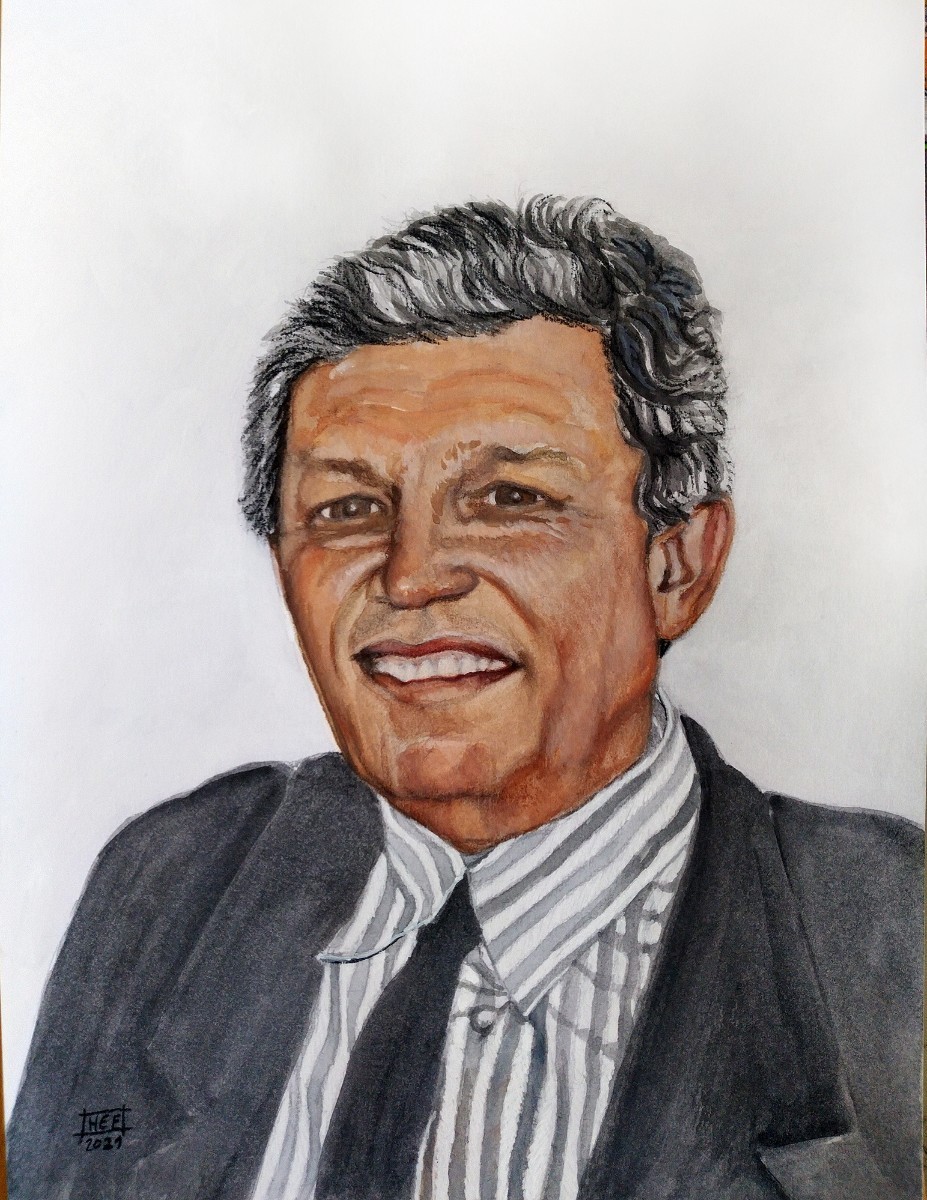
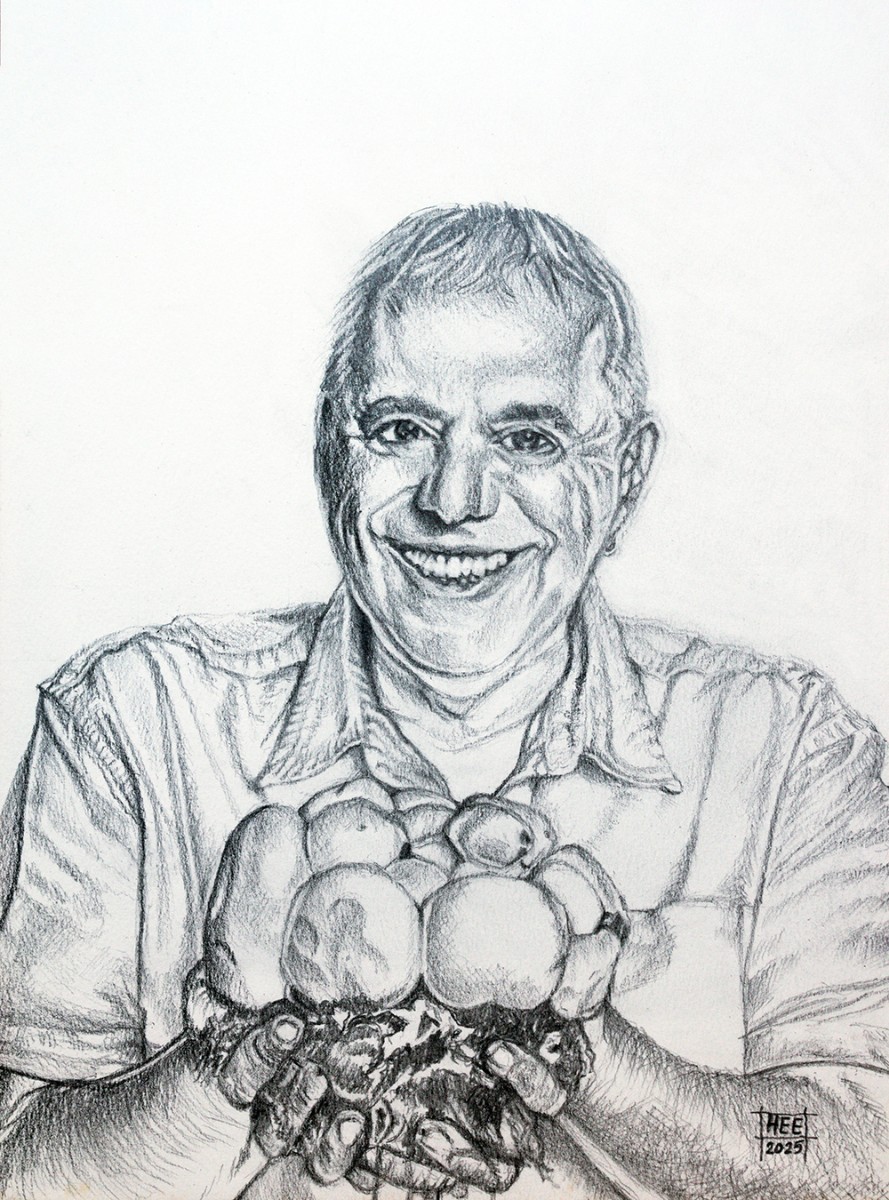
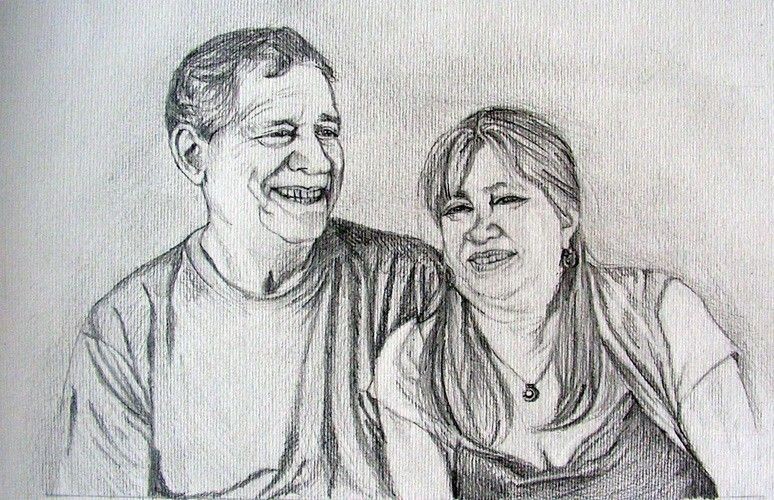
Hee-Lee Soffer, You Are Art's painter, creates portraits on commission in watercolor, oil, acrylic, pencil, charcoal and ink. Each portrait starts from a flattering photograph, large and clear, with sharp details. You can send the painter several photos and consult her about which one to choose. Several photographs can also be combined into one painting.
Ideally, a portrait is painted during a long sitting in front of the painter, but the constraints of modern life lead to working from photographs. When working from a photo, eye color can be misleading. The light, too, depends on the time and place the photo was taken. Many of the photos sent in for a portrait painting were taken from the front and planned in advance. They are frozen and artificial. The smile in them is a ceremonial one, a distant relative of the false smile Duchenne photographed. A portrait reflects a person at their best. That is why the photo chosen captures a moment of peak happiness and beauty. The frontal portrait is considered less flattering and more revealing, and it may betray a lack of symmetry in the face. A photo for a portrait can be taken from an angle rather than straight on. Smiling is not required either. More on this in the article How to Get a Vivid Portrait.
Can wrinkles be softened in a painting? Yes. Hee-Lee refines a portrait when asked to. Sometimes she takes the initiative herself, when she senses that this is what the person commissioning it wants, even if it was not said outright. Even so, she strongly recommends staying close to the original photograph, so that the result does not stray from reality. When the work is finished, a photo of the portrait is sent. At that stage, adjustments and corrections can be requested. Refinement of this kind preserves character: a wrinkle that tells of a smile can stay. Whatever weighs down the expression can be softened.
How a photo turns into a painting is described in Portrait Painting From Photographs. The portrait as a gift for loved ones is discussed on the page Portrait Painting - A Classic Gift.
Frequently Asked Questions About Flattering Portrait Painting
Why do we sometimes dislike photos of ourselves? In a 1977 experiment, participants preferred their own face reversed, as in a mirror. Their friends preferred the ordinary image. In a 2008 study, participants tended to identify an enhanced version as their own face. A photograph shows the face reversed, and without the slight improvement our own perception adds to it.
What lies behind "I'm not photogenic"? Often it is the camera. A selfie taken from about 12 inches (30 cm) makes the nose look 30% larger in men and 29% larger in women. A photo taken from 5 feet (1.5 m) shows almost no distortion. The expression in a photograph, too, is not always natural or typical of the person. Often a person's photographed portrait looks very different from how they look in real life.
Does a flattering portrait painting keep the wrinkles? That is up to whoever commissions the portrait painting. The wrinkles can be kept as they are, or you can ask for them to be softened and refined. Hee-Lee refines when asked to, and sometimes on her own initiative. Her recommendation is to stay close to the original photograph.
What is the beautiful mess effect? A gap in how vulnerability is judged, for example when bodily imperfections are revealed. According to studies from the University of Mannheim, people tend to judge their own vulnerability too harshly. Observers see the same openness in a fairly positive light.
What is the difference between a portrait painting and a photograph? A portrait painting is made by hand. Several photos can be combined in it, and you can ask for it to be refined. A 2015 study found that a handmade product is perceived as containing its maker's love. Buyers preferred handmade items when shopping for a loved one.
What if there is no good photo? An old photo can serve too, even a blurred, torn or black-and-white one. The painting restores it and corrects whatever needs correcting. At times, further photos help clarify details the old picture has lost. Several photos can also be combined into one painting.
Does a portrait painting suit someone who dislikes being photographed? Absolutely. The portrait starts from a flattering photo that can be chosen in consultation with the painter. Several photos can also be combined into one painting, and you can ask for the portrait to be refined. More answers are waiting for you on the page Portrait Paintings - Questions and Answers.
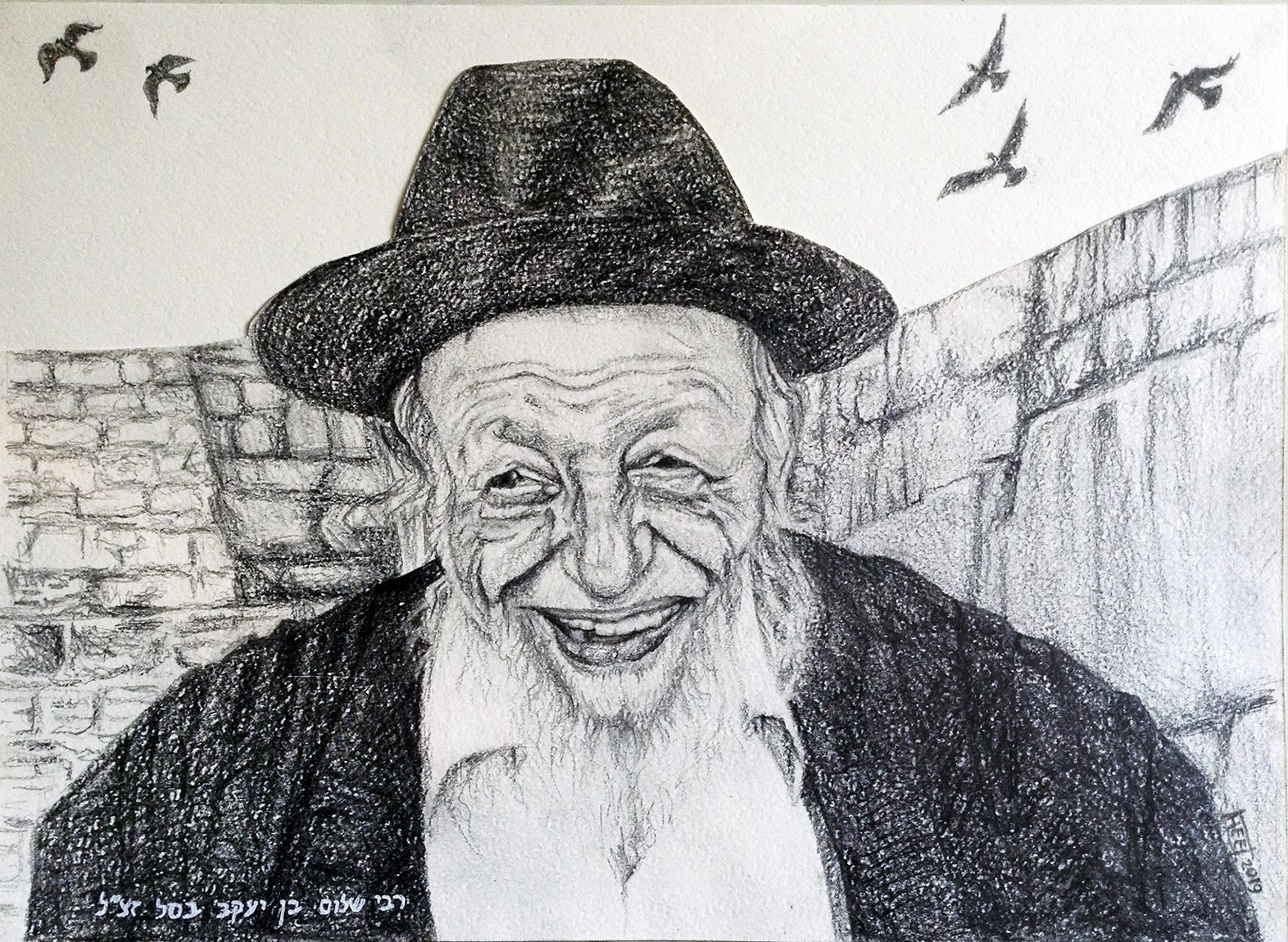
Your Face, Your Choice
A portrait is not a beauty contest. According to the Met, it tells us something about who a person is. Every wrinkle and every scar can stay in it, in the spirit of the request attributed to Cromwell. You can also choose an angle and refine, as Apelles did. There is no reason to be ashamed of wrinkles. Anyone who wishes can have them softened and refined.
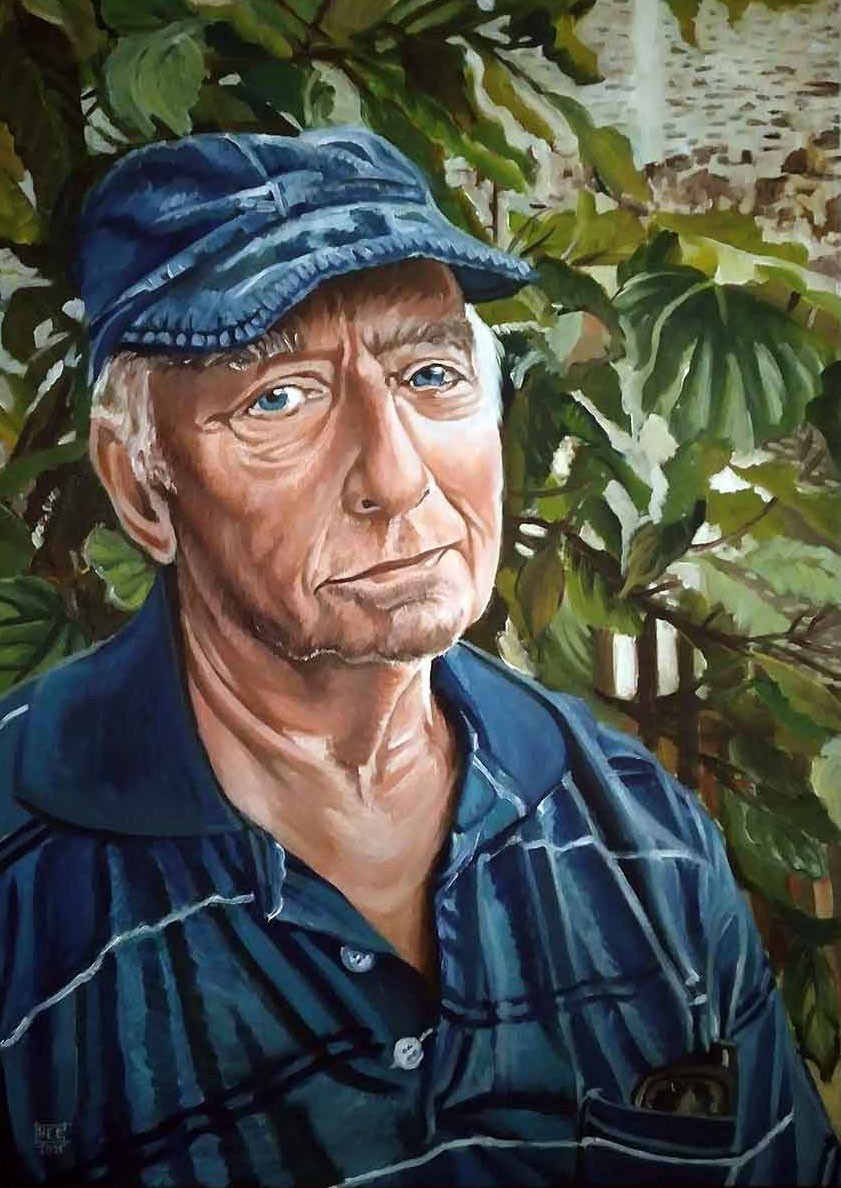
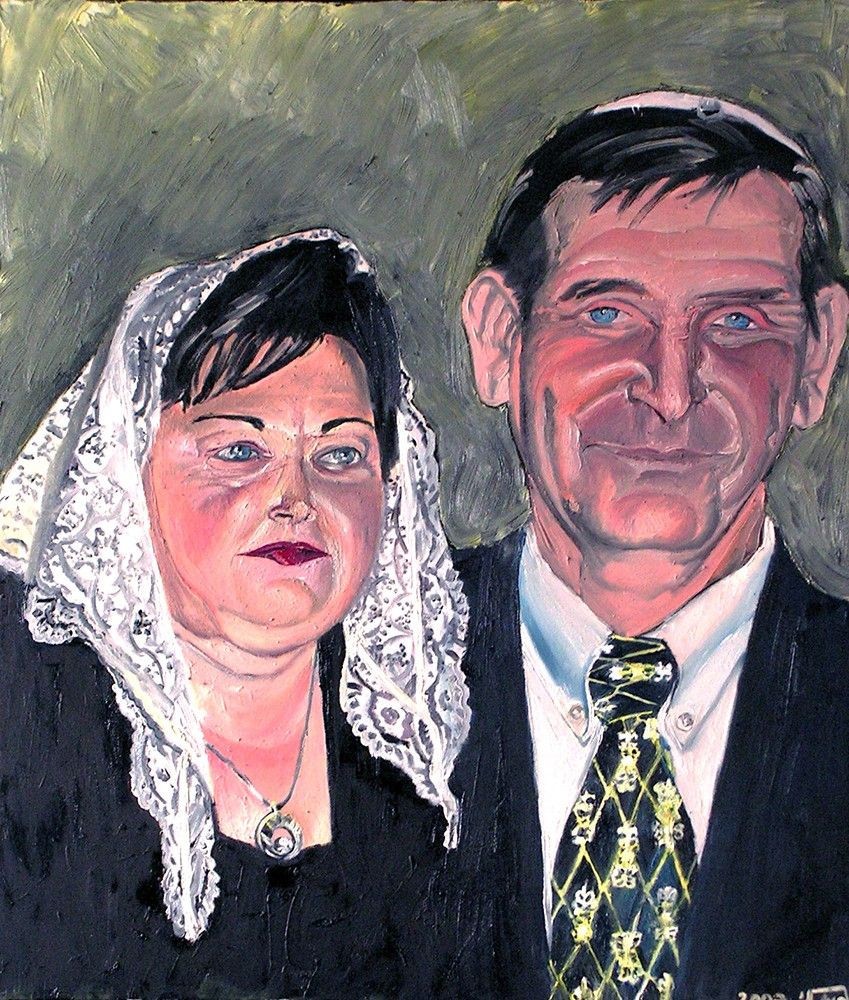
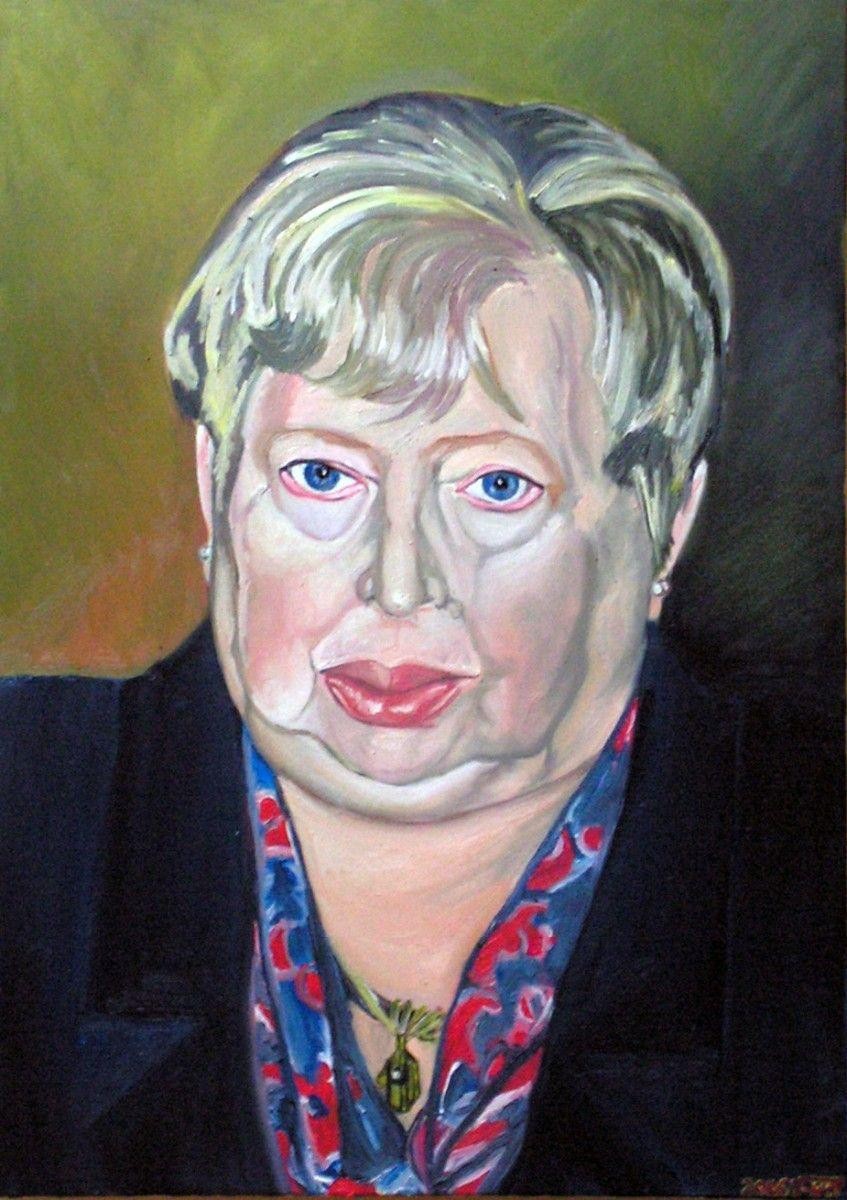
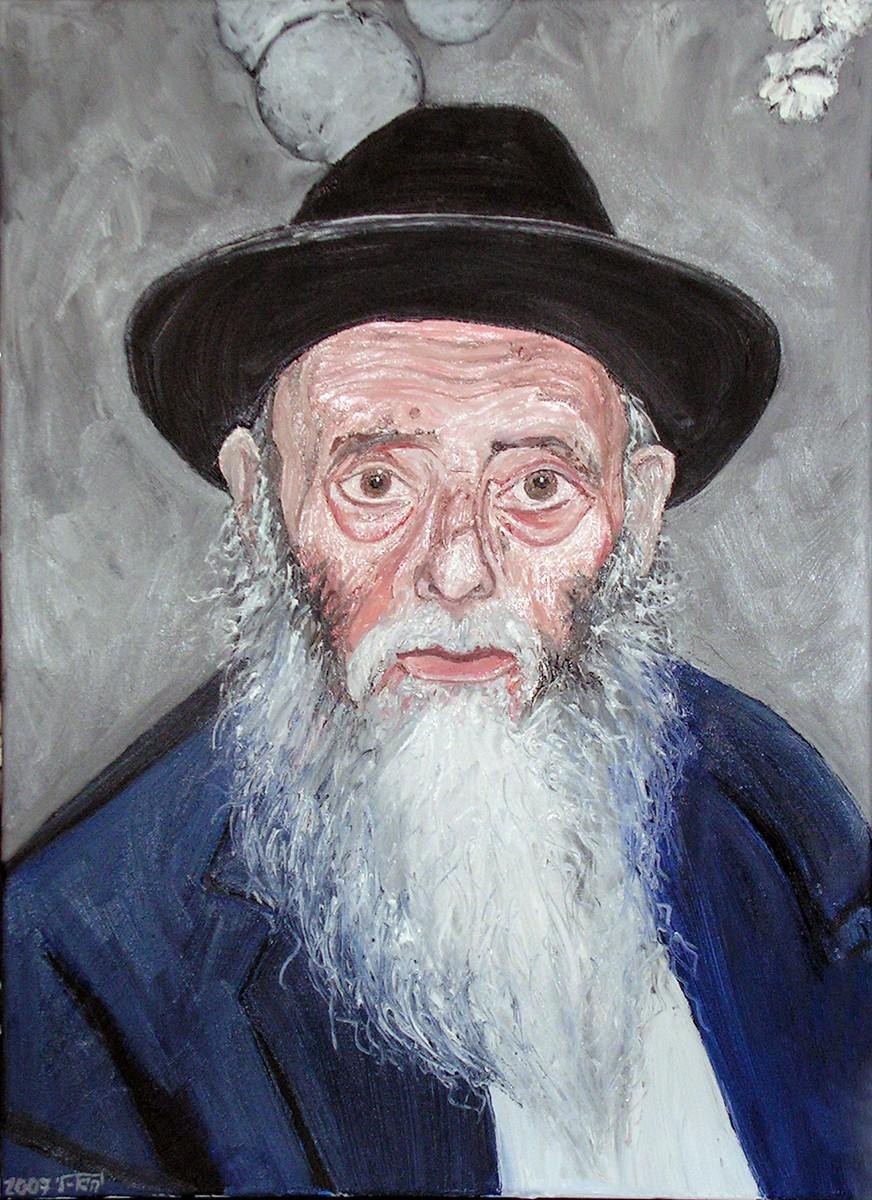
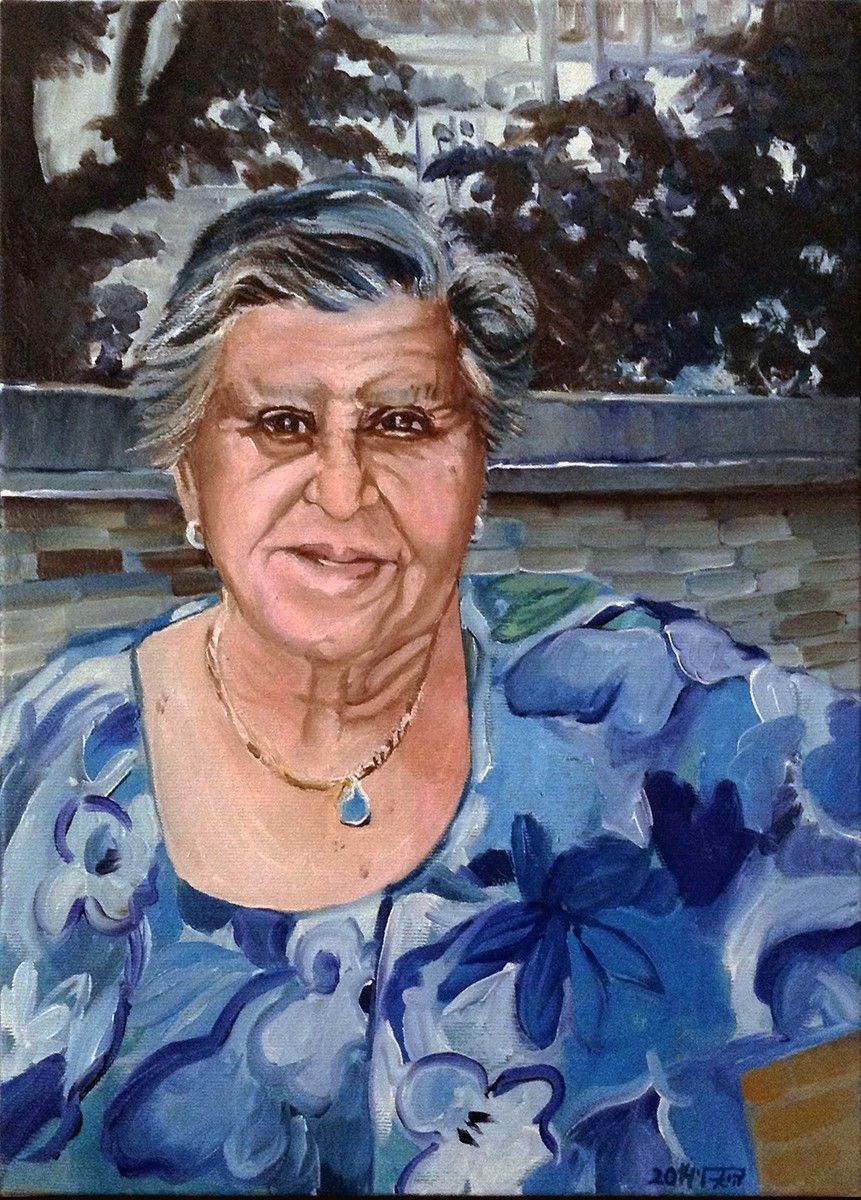
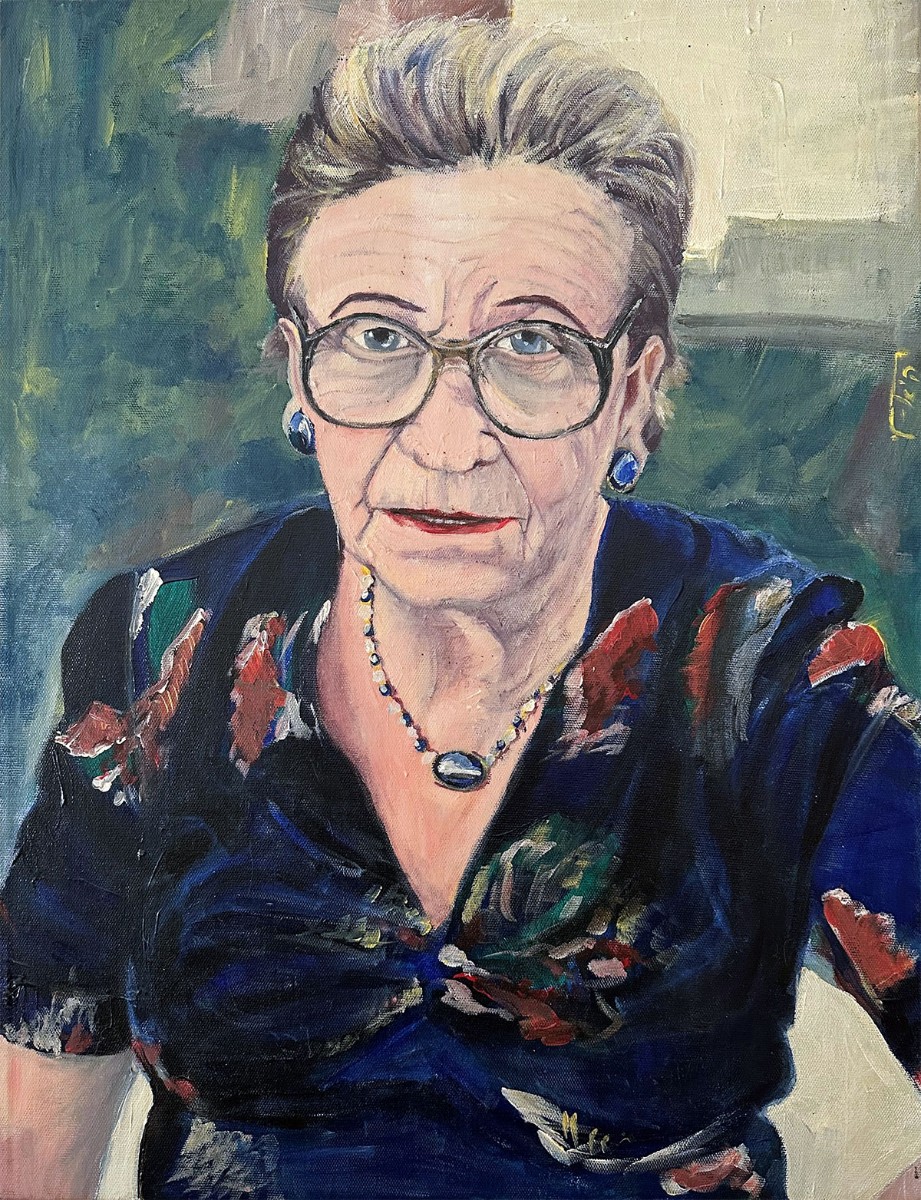
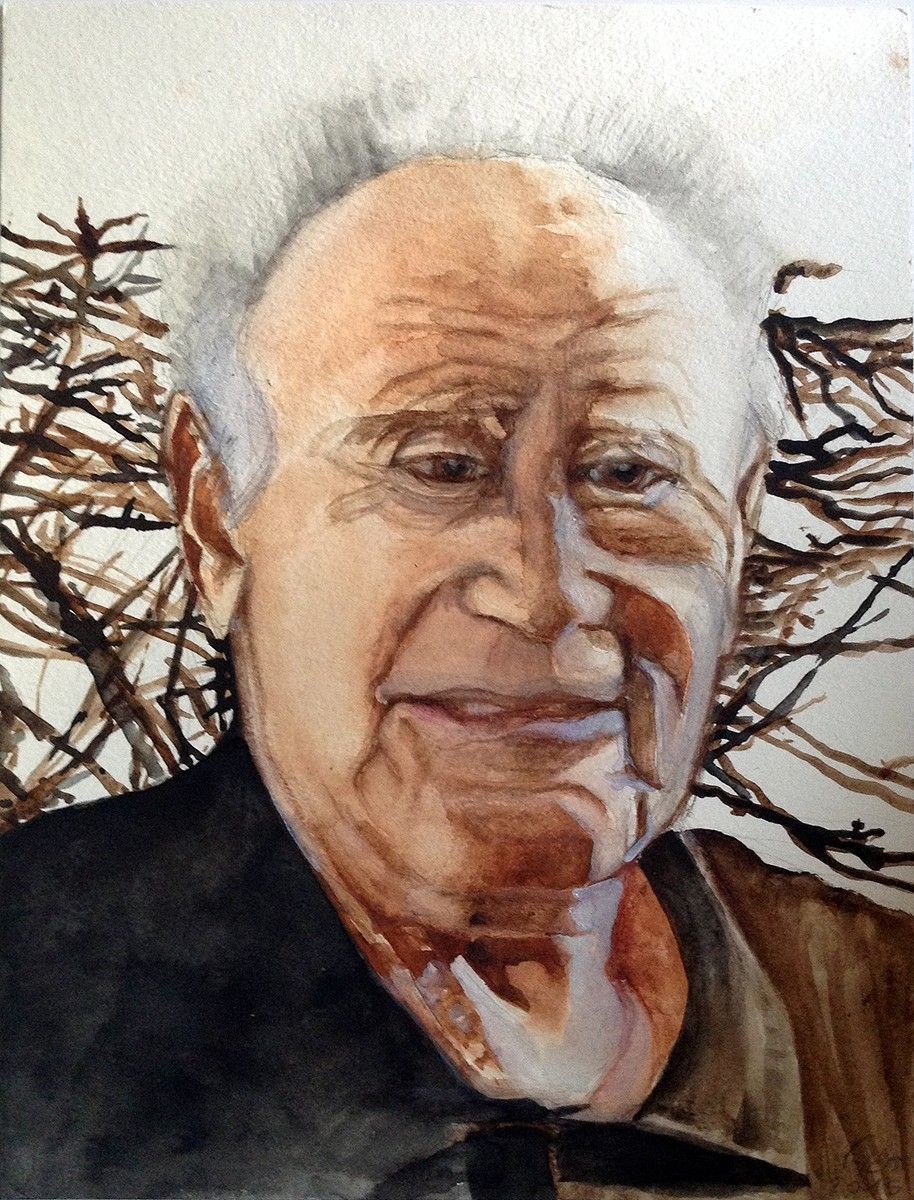
When, then, does imperfection turn a portrait painting into a masterpiece? When it carries something of the person: the smile lines Darwin described, the flaws Rembrandt built from paint, and the face of "An Old Woman," which became a familiar icon. A flattering portrait painting does not give up on character. It presents character at its best. The article's gallery shows portraits in oil, acrylic, watercolor and pencil. Among them are gifts for a grandfather, a father, a holiday and a retirement, a portrait of grandparents, and memorial portraits. Most of them appear, with many others, in the oil portrait gallery, the watercolor portrait gallery and the drawings gallery.