


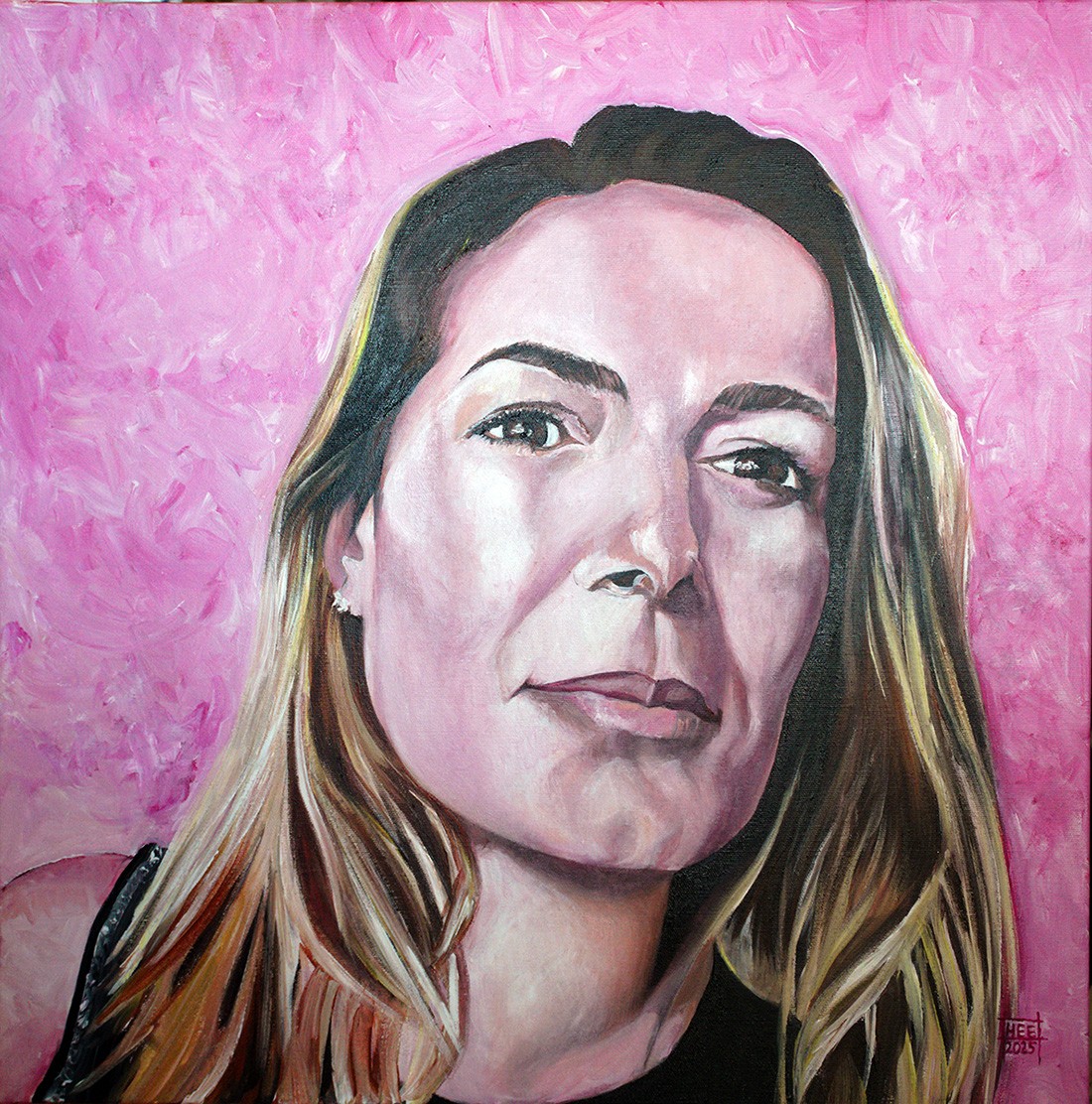
Finding a Woman, Finding Good: Strength and Emotion Behind Portrait Paintings of Women
"Whoso findeth a wife findeth a great good, And obtaineth favour of the LORD," says the Book of Proverbs. In the world of portraiture, the verb "find" takes on another meaning. A portrait painting of a woman begins with a photograph and a set of features, but at its heart it is a search: a gaze, the line of the lips, a slight tilt of the head, a certain stillness in the eyes. Once these are found, it is a woman who looks out from the canvas, not a figure.
The history of the female portrait tells how this search has changed over time. It also tells of women who took up the brush themselves, and of portraits created to mark a moment in a life. From there it is a short step to the question facing anyone who wants to give such a portrait as a gift, to a mother, a grandmother, a sister or a partner: what turns a painting into an unforgettable portrait?
Beauty Adorns Virtue: Leonardo's Ginevra
The portrait of Ginevra de' Benci was painted around 1474 to 1478, when Leonardo da Vinci was still in his early twenties. Some thirty years later he painted the Mona Lisa. According to the National Gallery of Art in Washington, it is the only painting by Leonardo held anywhere in the Americas.
Ginevra was sixteen, the daughter of a banker from Florence. Thanks to her family's wealth and standing, she received an education, and she had a reputation as a poet and a fine conversationalist. According to an article by the gallery, the portrait may have been painted to mark her engagement in 1474. The gallery adds that it is not known for certain who commissioned it.
On the back of the panel Leonardo painted a juniper branch, a play on her name: in Italian, juniper is ginepro. Around the branch winds a scroll bearing the Latin words Virtutem Forma Decorat, "beauty adorns virtue." The motto does not place beauty at the center. Beauty is the ornament. Virtue is the essence. The Book of Proverbs goes a step further and declares, "Grace is deceitful, and beauty is vain." The Latin motto and the Hebrew verse can be read as reaching the same verdict: what deserves praise in a woman lies beneath the surface. A good portrait of a woman is not content with beauty. It searches for what beauty adorns.
Leonardo's innovations show in the face itself. Instead of drawing a line around Ginevra's features, he painted the light reflected from her skin. In parts of the painting he blended the paint with his hands, and his fingerprints are still visible today. Another innovation concerned the pose. In Leonardo's day, the convention was to paint sitters in profile. The gallery counts this among the earliest Italian portraits of women to show the sitter turned toward us.
Women of that period were portrayed inside the home, with the world outside visible only through an open window. Leonardo set Ginevra outdoors, beyond the walls of her home. Her gaze is distant. The gallery notes that her thoughts as she posed are impossible to guess. One critic described the work as "not a portrait but Ginevra herself." It is hard to imagine higher praise for a portrait painting.
Women Who Held the Brush
In 1783 the French Royal Academy admitted two women painters, Adélaïde Labille-Guiard and Élisabeth Louise Vigée Le Brun. At the time, the Metropolitan Museum of Art notes, no more than four women artists could be members.
Two years later, Labille-Guiard showed a self-portrait with two pupils at the Salon of 1785, where it met with great success. Some have read the painting as a way of championing the cause of women artists. The museum describes it as among the most remarkable images of how women were trained in art in early modern Europe.
As in most self-portraits by eighteenth-century artists, Labille-Guiard painted herself in elegant clothes that were anything but practical. The audio guide on the museum's page describes the elaborate silk gown as a highly strategic choice, "a manifesto of sorts." A woman who paints herself in a silk gown beside her pupils is declaring a profession and a status at once.
That line runs all the way to the present. Frida Kahlo returned to the self-portrait again and again. Two women painters working today who do not paint commissioned portraits appear in the article on contemporary portrait painters.
Brow, Eyelid and Lip: Where a Portrait's Confidence Comes From
Marie Antoinette's favorite painter was Vigée Le Brun. In 1782 she painted a self-portrait that became hugely popular. The National Gallery in London holds a signed copy she made of it herself, "Self Portrait in a Straw Hat." In it she meets the viewer's eye with an open expression, holding the tools of her trade, a palette and brushes. According to the gallery, she casts herself at once as an elegant lady of society and as a skilled professional painter. She wears her natural hair, unpowdered, instead of the wig expected in a formal portrait.
The most revealing detail emerges when the copy is compared with the original. The London version, the gallery observes, is the bolder and more self-confident of the two. Part of that confidence comes from small adjustments to the face: in the copy the brows are heavier, the eyelids more pronounced, the lower lip fuller and the smile broader. Vigée Le Brun also repainted the satin dress, turning its lilac tone to pink. Of the original portrait she wrote, in a letter included in her memoirs, that showing it at the Salon had greatly enhanced her reputation.
This may be the most important lesson about facial expression that the portrait teaches. The difference between a hesitant portrait and a confident one can lie in the weight of an eyebrow, the line of an eyelid and a small curve of the lip. Readers who want to explore facial expression as a complete system will find it in the article on Charles Le Brun's physiognomy.
A Portrait of a Mother
In the summer of 1871, James McNeill Whistler painted his mother in his studio. The painting is titled "Arrangement in Grey and Black No. 1," and its other title is "Portrait of the Artist's Mother." The Musée d'Orsay writes that the portrait's psychological acuity comes through with great force in a composition stripped down on purpose. The line is restrained, the color disciplined, and neutral tones prevail. France bought the painting in 1891. Today it ranks among the best-known paintings by an American artist anywhere outside the United States.
This portrait shows that strength needs no ornament. A portrait of a mother or a grandmother can carry the love of her children and grandchildren precisely through its simplicity. In its poem of the woman of valor, the Book of Proverbs says: "Many daughters have done valiantly, But thou excellest them all." A portrait like this is a way of saying that sentence without words.
From Photograph to Canvas
A commissioned portrait, too, is built from small details like these. Hee-Lee Soffer, the painter of You Are Art, holds a master's degree in art history. Her work on a portrait begins with the choice of a photograph. The photograph should be flattering, large and clear, and its details should be sharp. Clients can send her several pictures and ask for her help in choosing.
Next comes a sketch in pencil or charcoal, drawn with constant reference to the photograph. Then comes the color: layer after layer, more and more details come into focus, until the portrait emerges. In an oil portrait the work follows a traditional European technique, in which layers of oil-based paint, thinned to varying degrees, build up a realistic look.
While an oil portrait is in progress, clients can ask for photos of its stages. When it is finished, the portrait is photographed and sent to the client for approval. At this point adjustments and corrections can be requested. A correction can even be made in front of the woman herself: during the work, Rachel Agranati asked the painter to come to her clinic so that the portrait could be corrected from life.
Here the lesson of Vigée Le Brun returns. Those who know the woman in the painting can tell whether the brow and the smile are truly hers. A small change in the angle of the mouth can alter the whole expression. A commissioned portrait receives special attention, and that attention is measured in details like these.
Who Is a Portrait Painting of a Woman For?
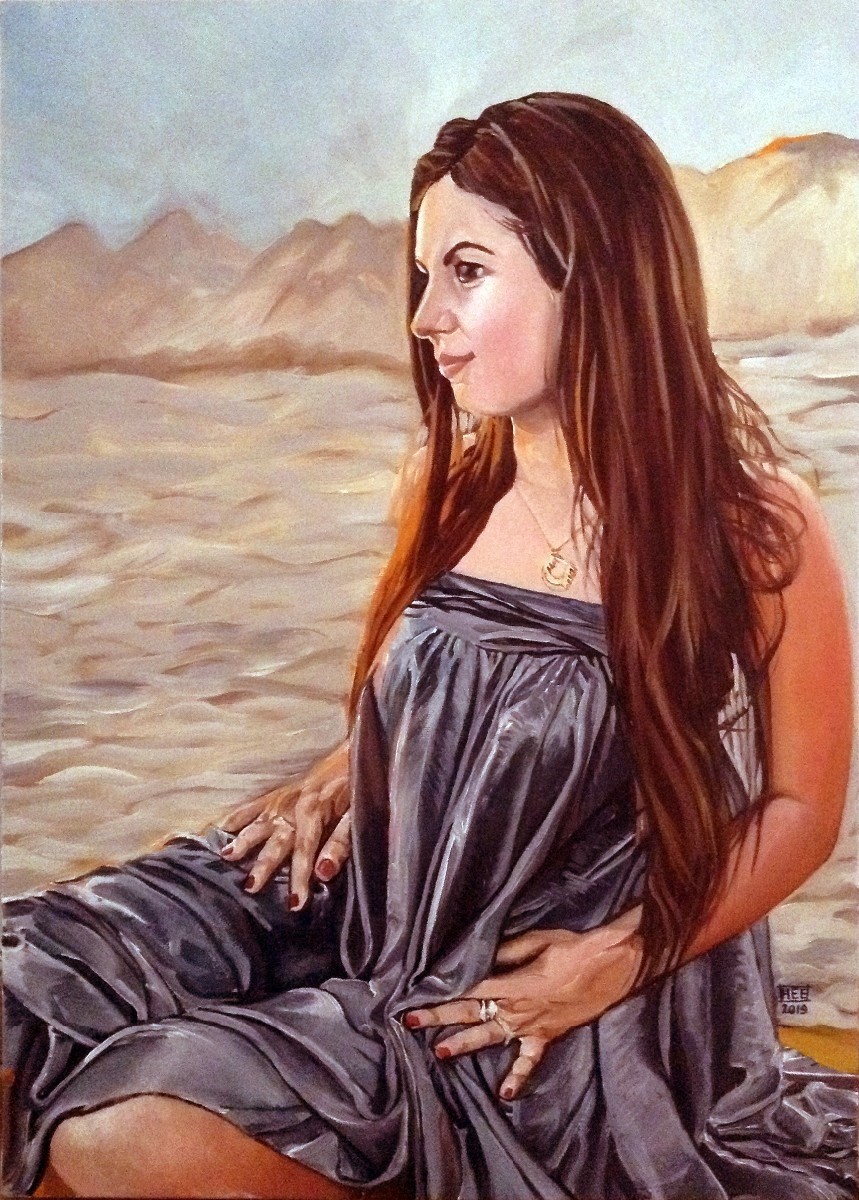
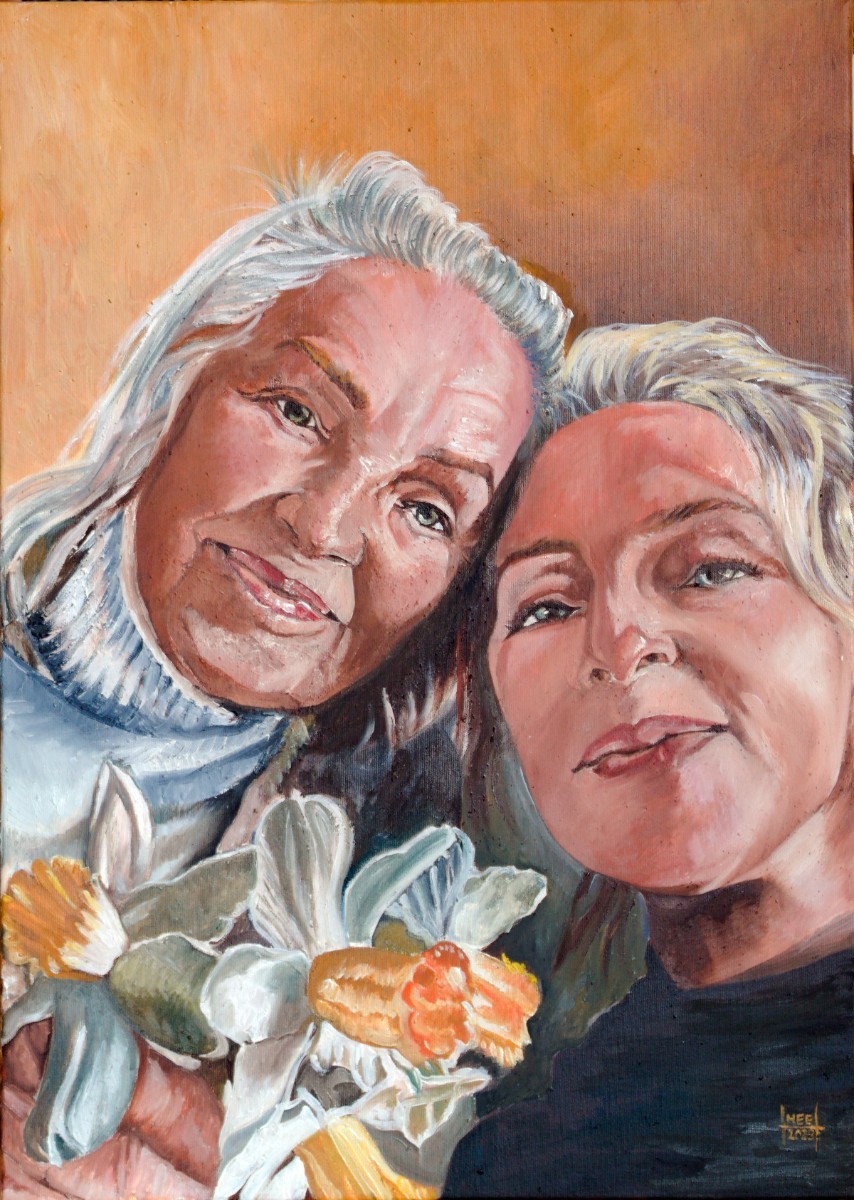
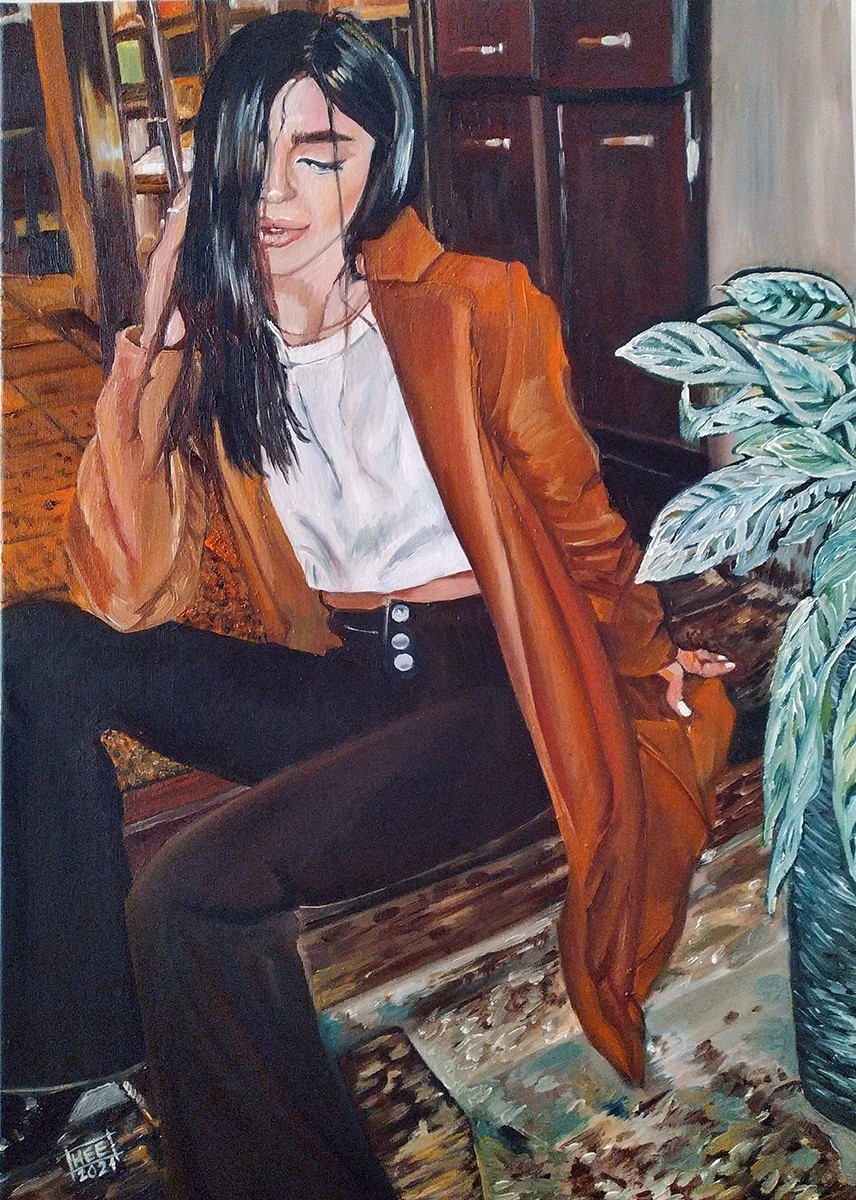
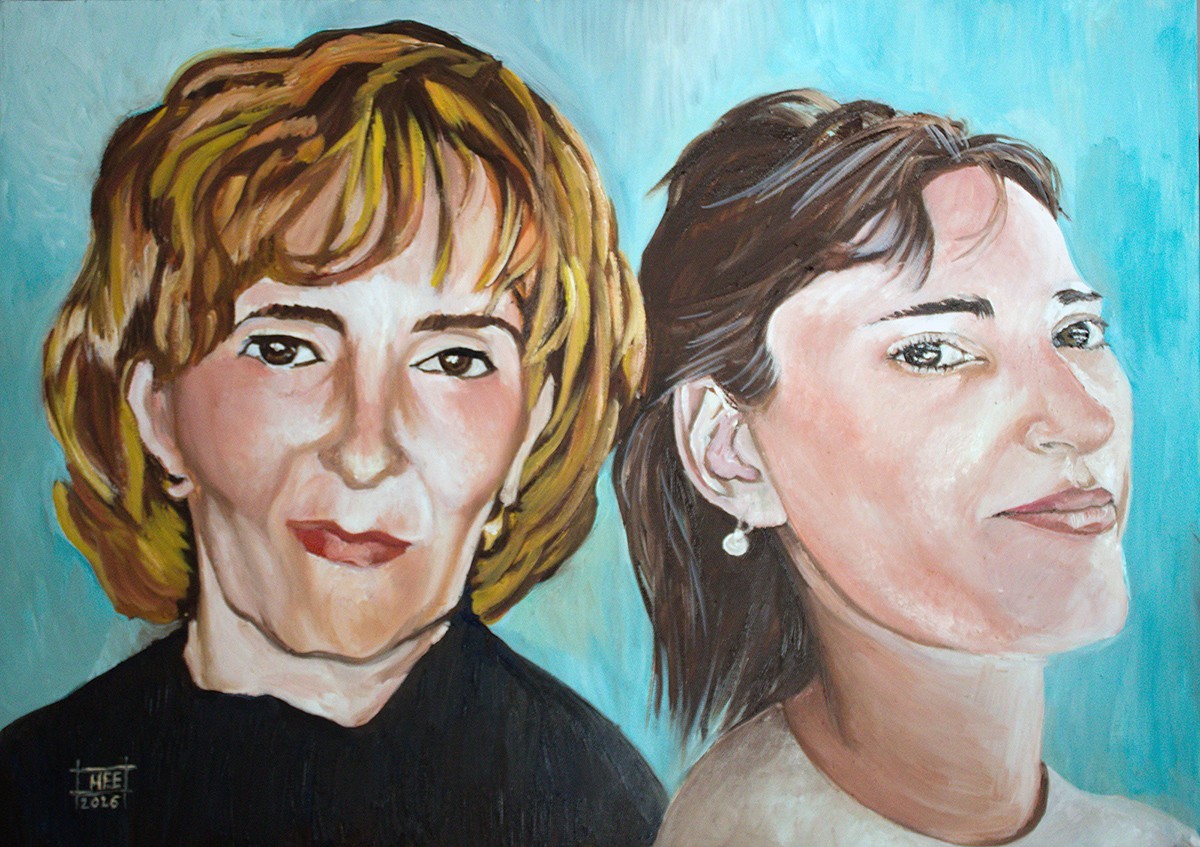
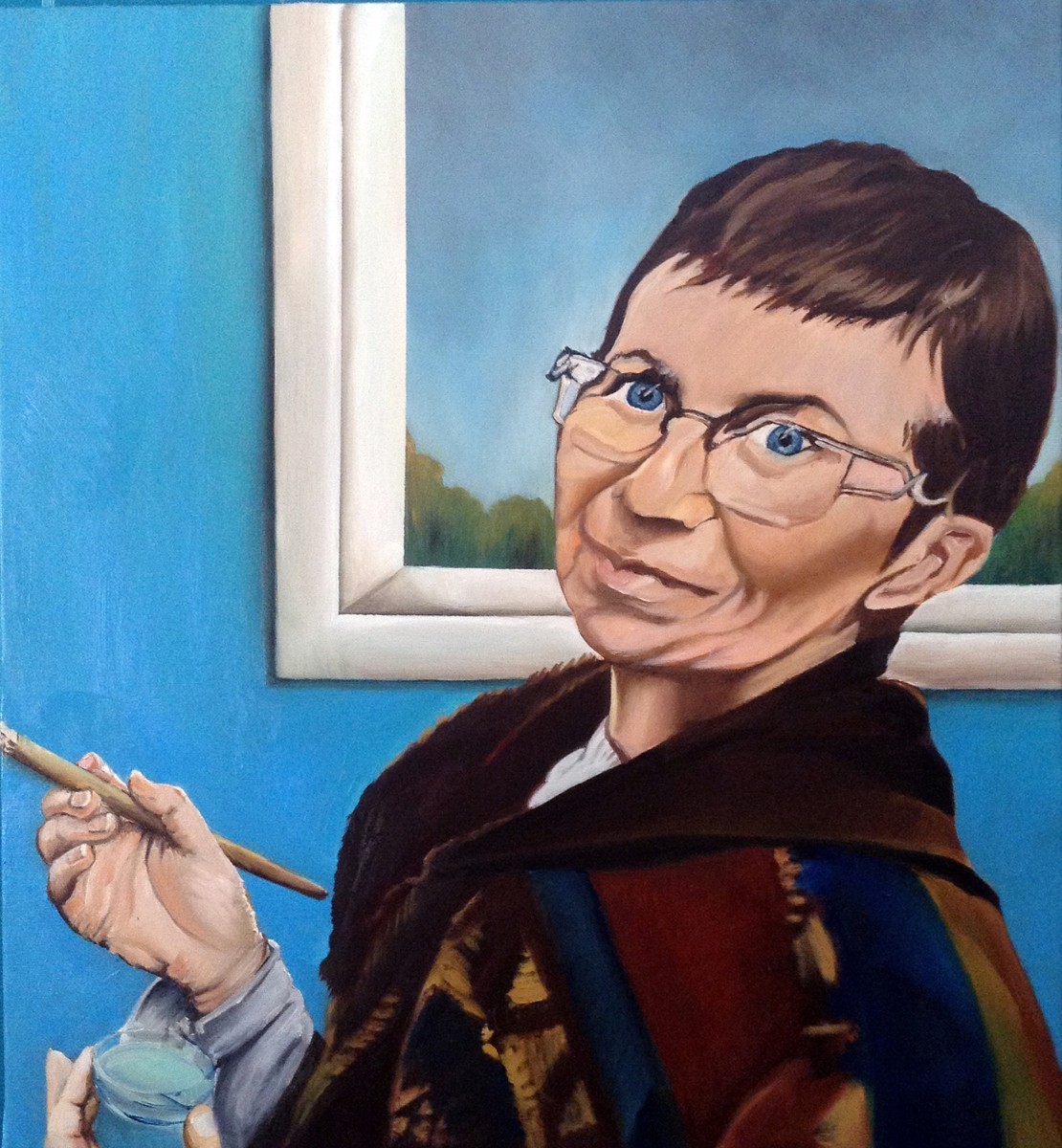
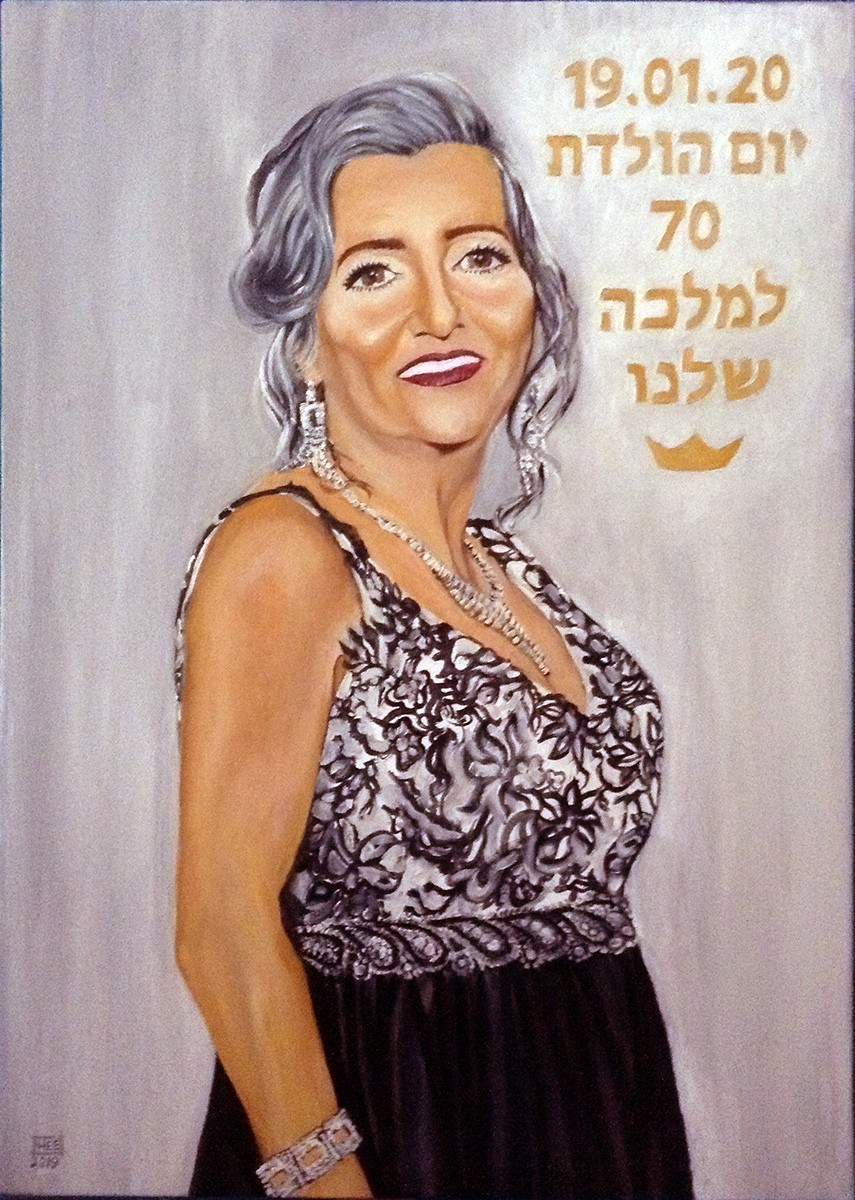
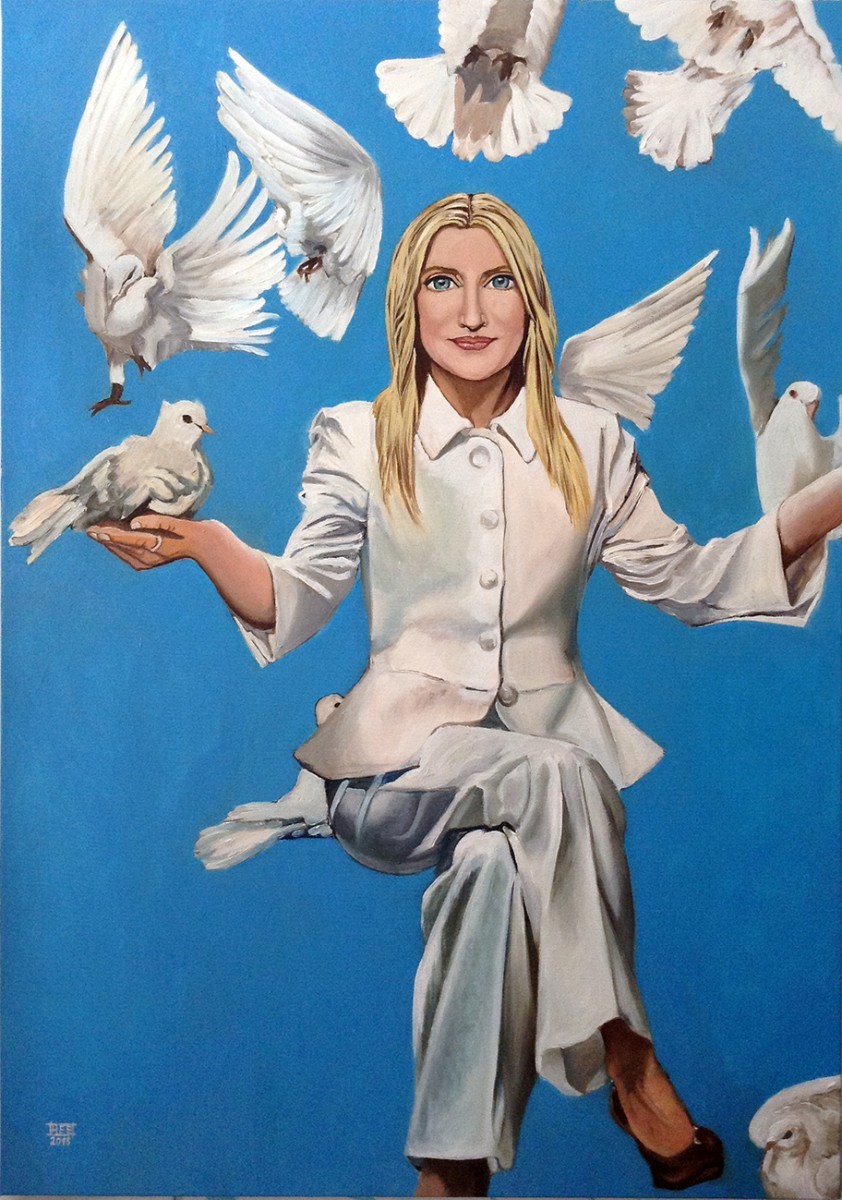
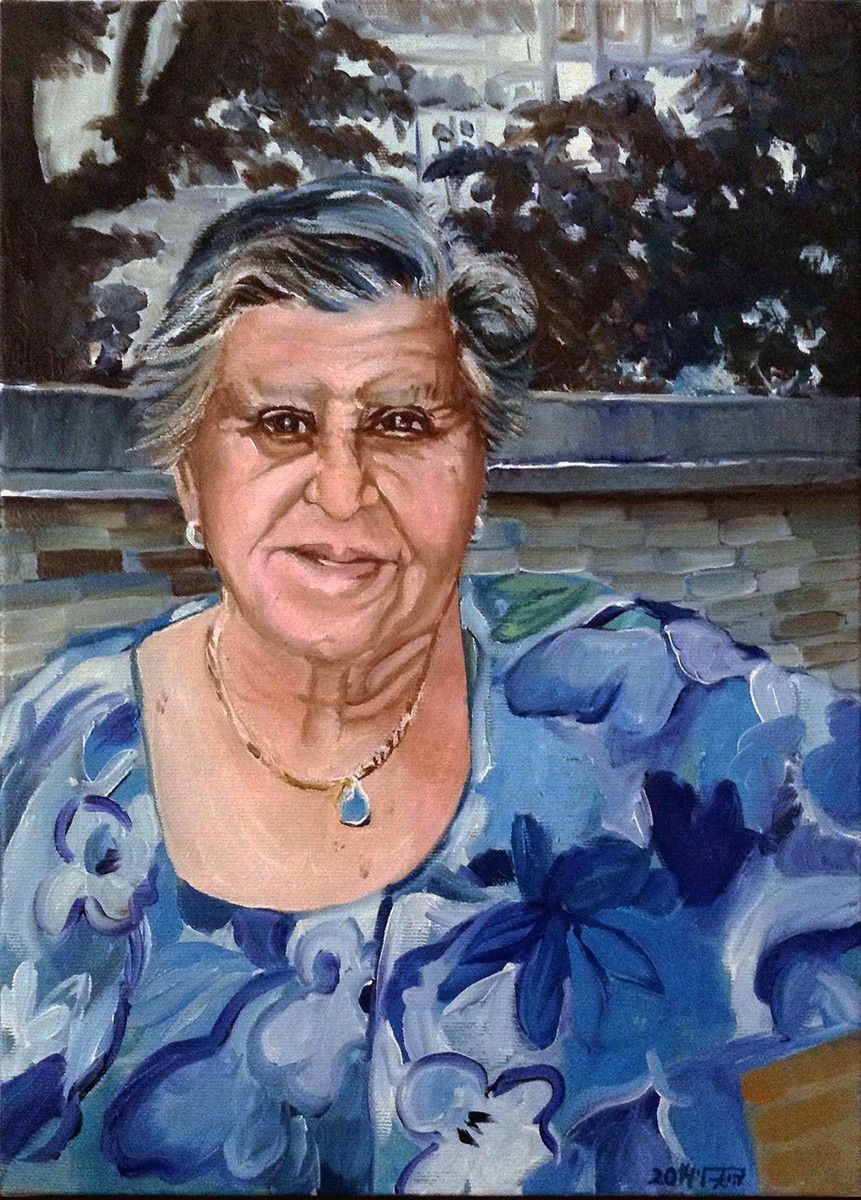
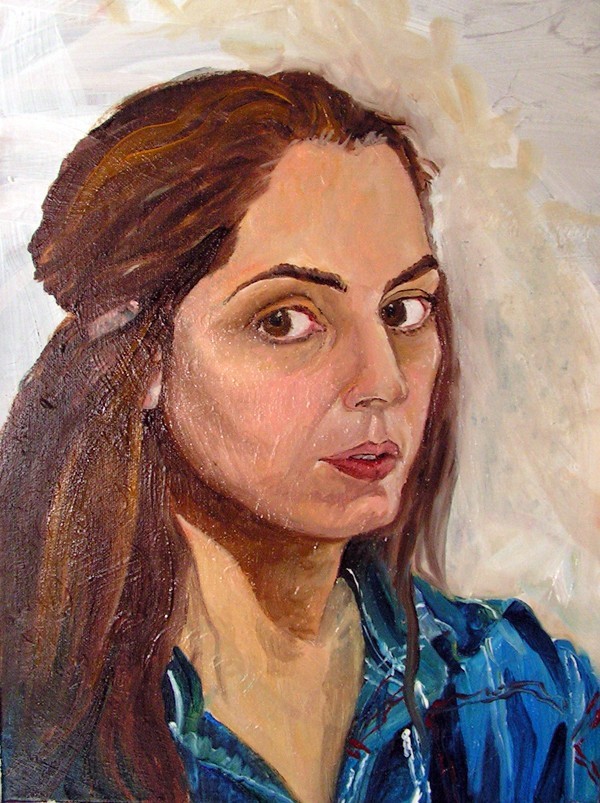
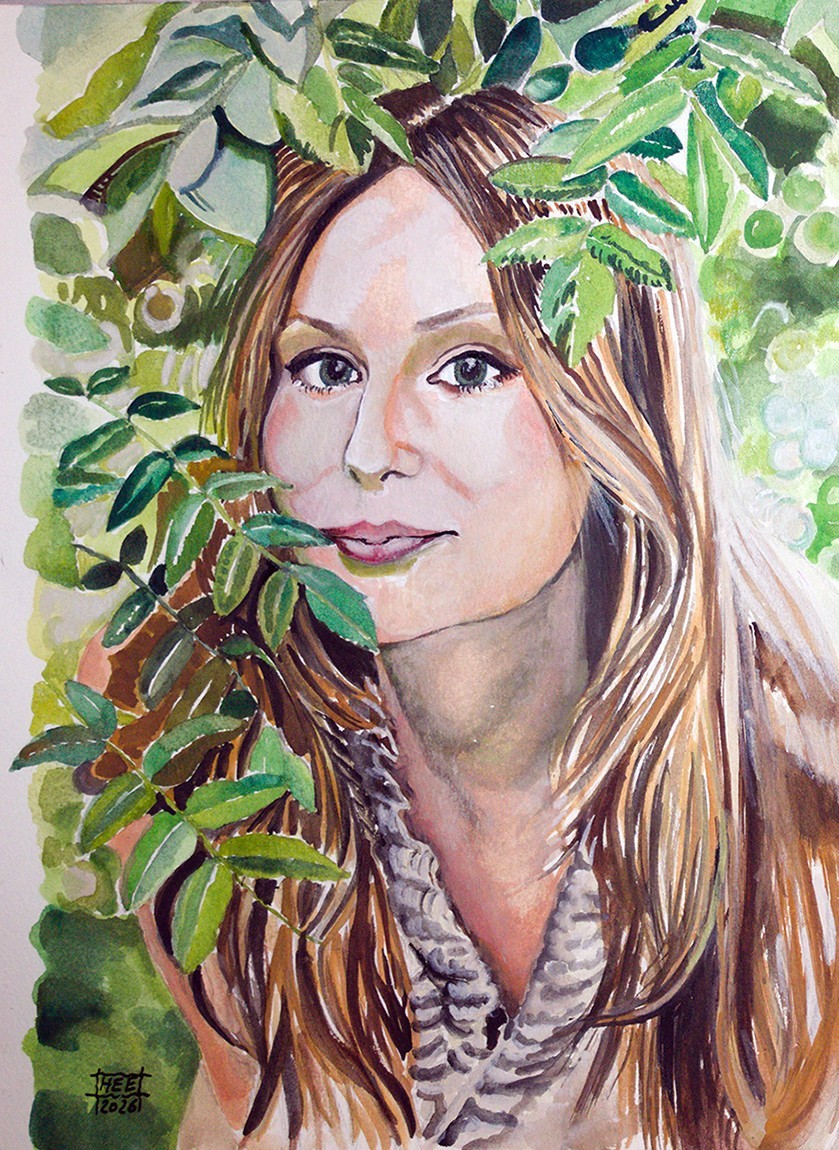
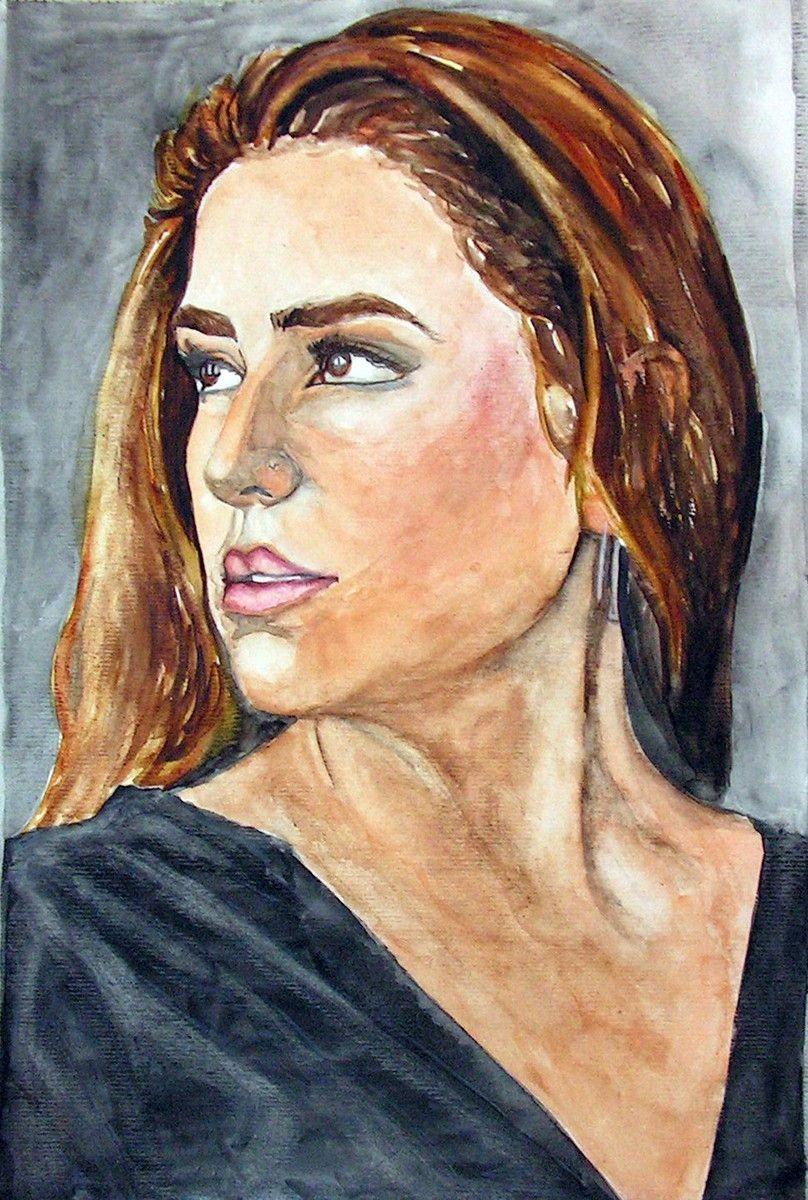
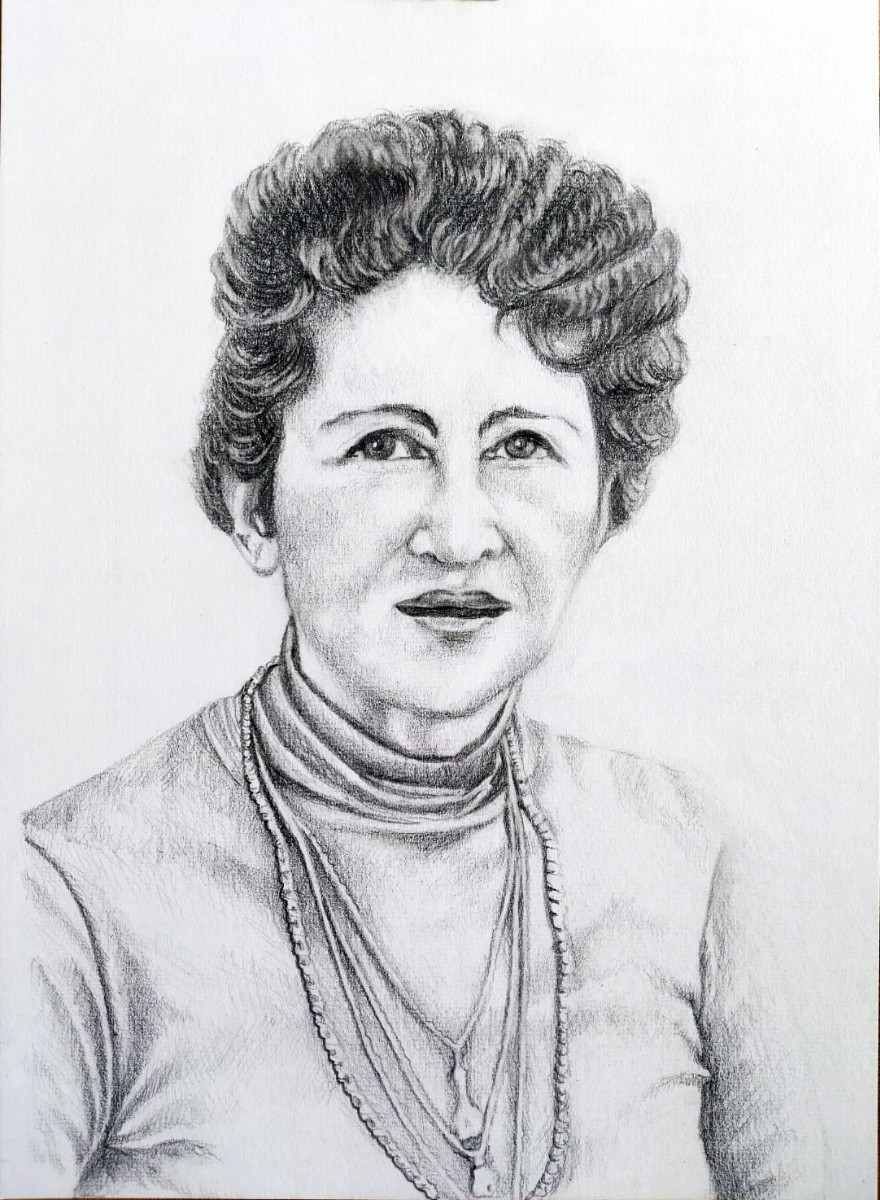
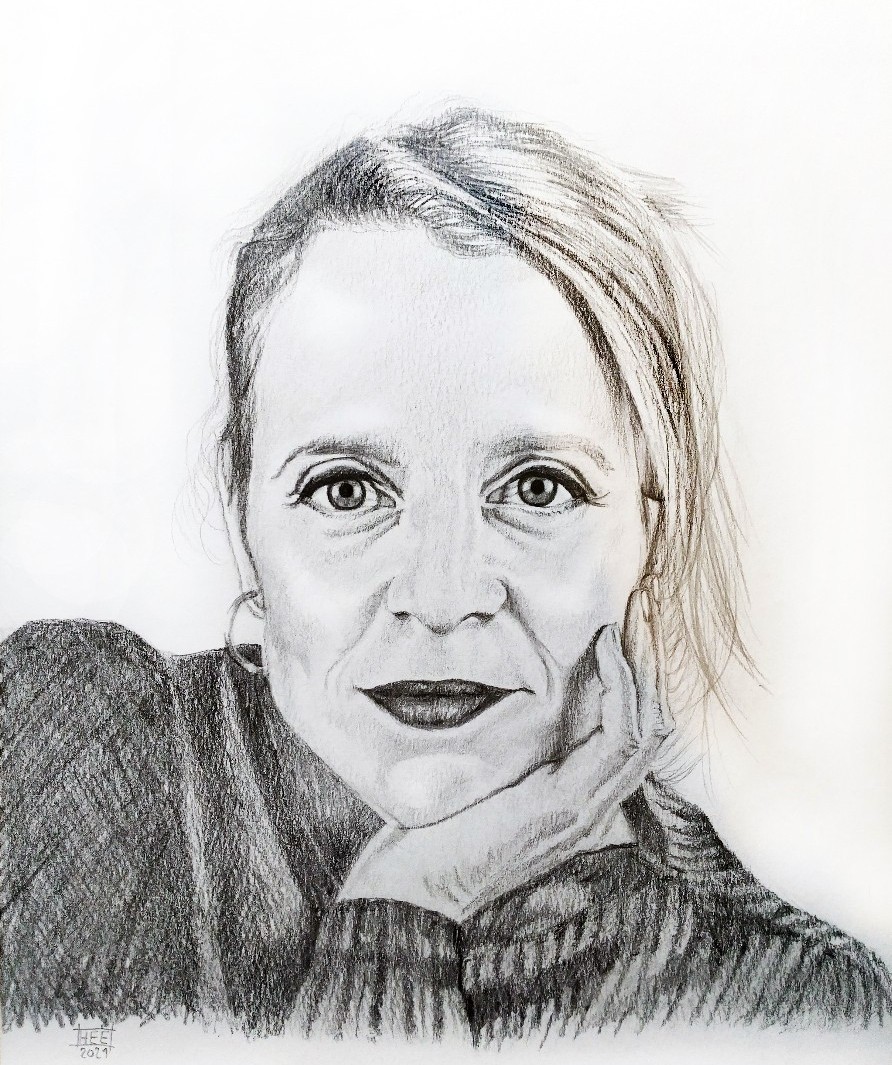
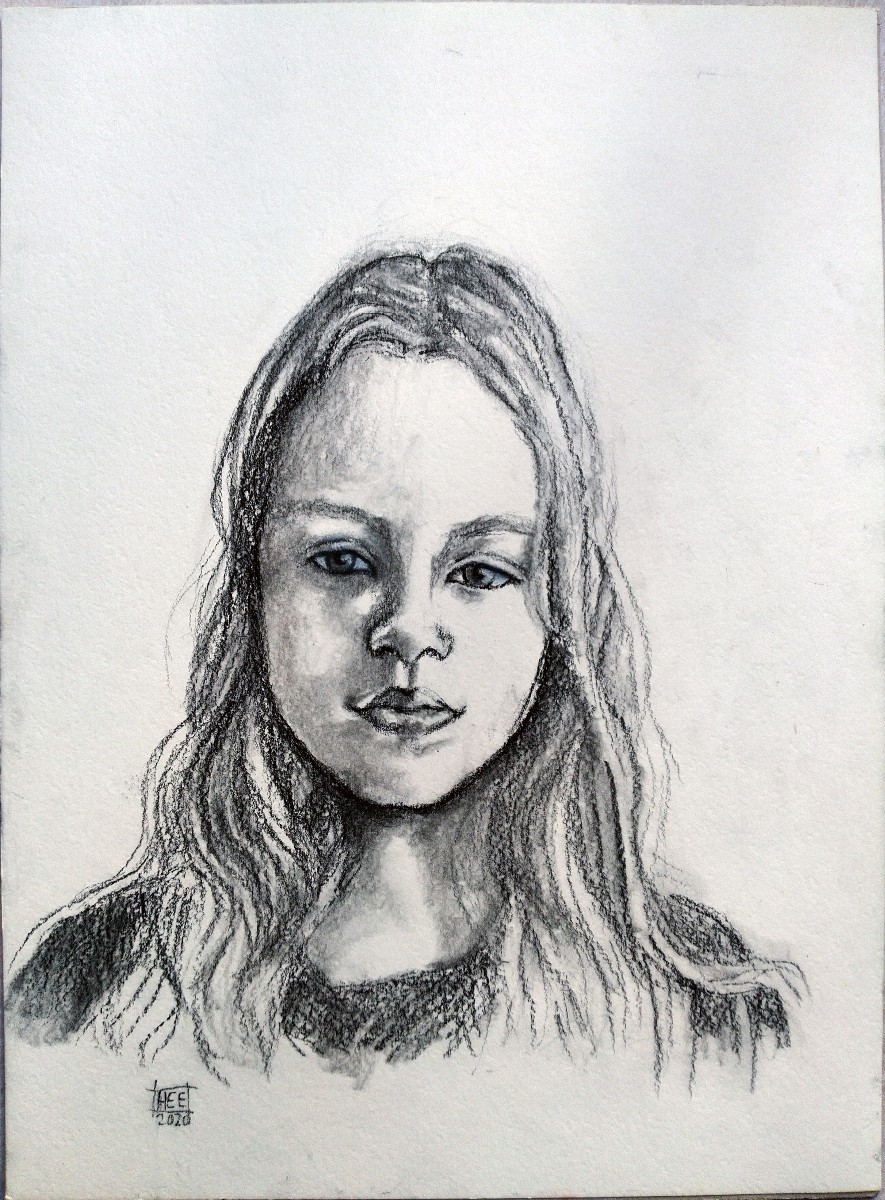
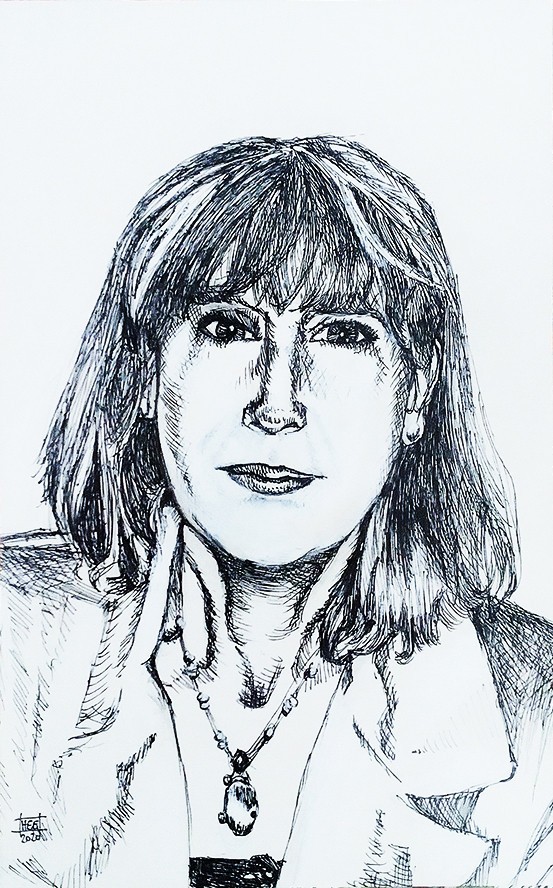
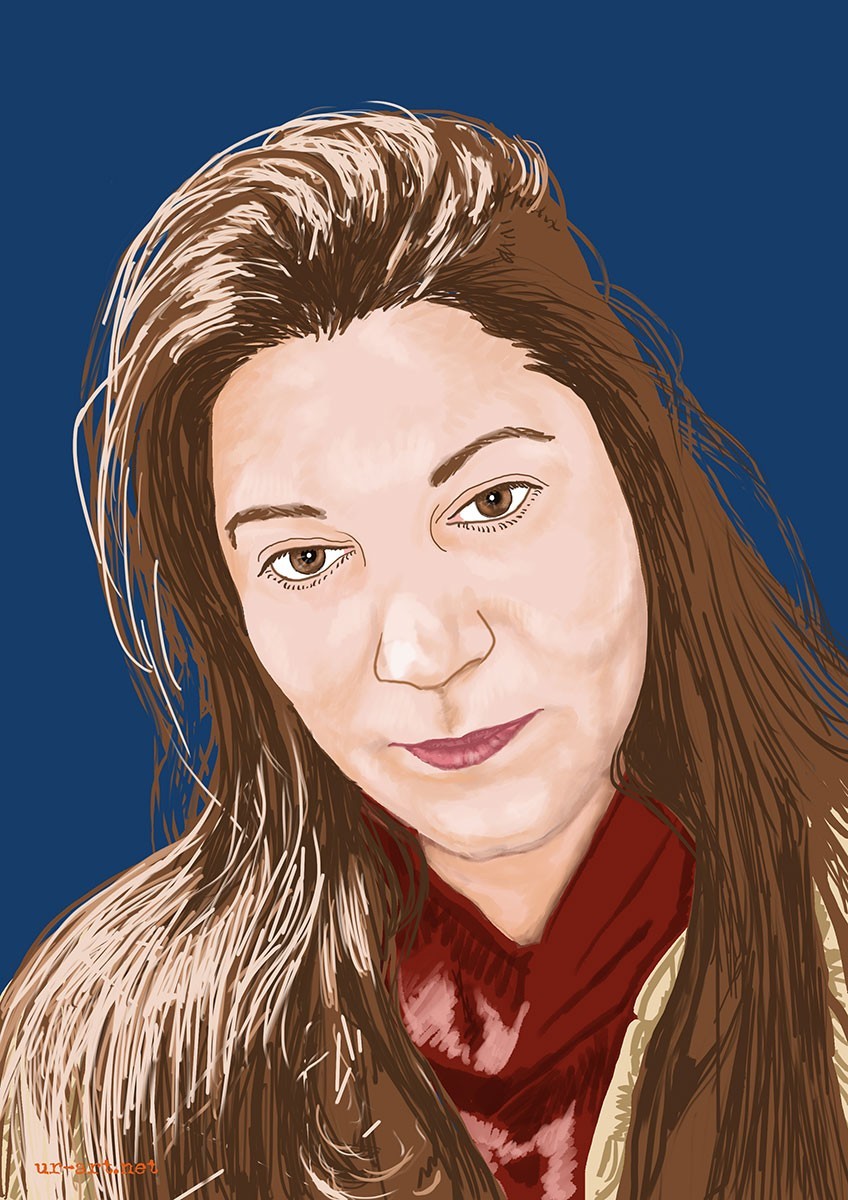
A portrait commissioned as a gift is usually born of an emotional moment in the lives of the people ordering it, or of a joy they share with someone they love. The gallery of paintings in this article shows a few of those moments. It includes a double portrait of sisters and a double portrait given as a gift to a mother. A portrait given to a mother on her birthday bears the inscription "to our queen." A charcoal drawing was given for a Bat Mitzvah, a digital painting went to a homeroom teacher at the end of the school year, and another drawing is called "memory of a grandmother." In the portrait given to a partner for her birthday, she holds a brush, like Vigée Le Brun in her self-portrait. Portrait paintings as gifts for other milestones in life are the subject of Portrait Painting as a Classic Gift.
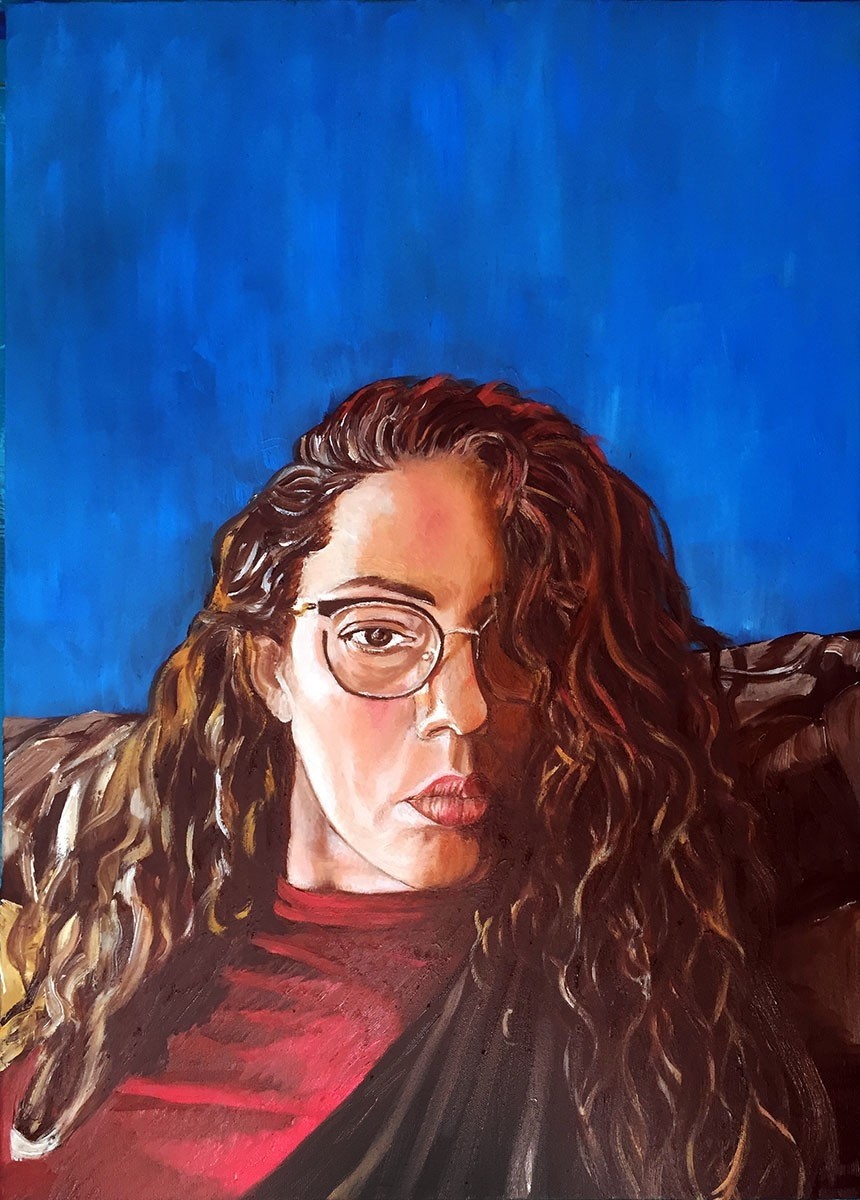
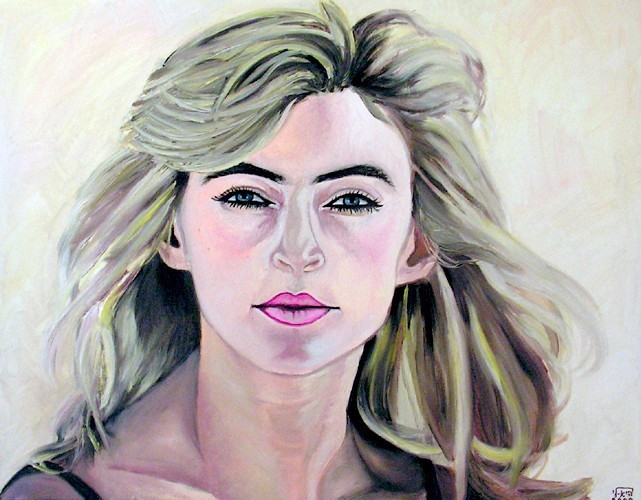
Some women commission a portrait for themselves. The gallery of this article also includes a portrait commissioned as "a gift for myself." This may be the most direct form of empowerment: a woman who chooses how she will look on the wall, just as Labille-Guiard and Vigée Le Brun chose the dress, the gaze and the tools of their trade.
A portrait painting of a woman can be ordered in oil on canvas, in watercolor on paper, as a drawing in pencil, ink or charcoal or as a digital portrait. Oil has been a traditional medium for centuries. Official images were painted in it, among them portraits of kings. Watercolor is built up from water-based paints at varying levels of transparency. Drawing is fine handwork in pencil, ink or charcoal on heavy, high-quality paper. The differences among the three drawing media are set out in the article on portrait drawing in pencil, charcoal and ink. A digital portrait is made by hand, with a digital brush on a graphics tablet.
A Portrait at the Heart of the Room
Leonardo's Ginevra, Whistler's mother and Vigée Le Brun in her straw hat are kept today in museum collections. A commissioned portrait hangs at home, facing the people who love the woman it shows. Such a portrait can become the heart of a room, the work the eye returns to again and again. In oil, a portrait like this is painted in the classic method, and its rich, vivid colors hold for many years. The portrait itself can also be suited to the room, in size, in color and in subject. How a portrait works as a choice of interior design is the theme of the article on portrait paintings in interior design. The step from the painting to the wall is described in the article on a frame for a portrait painting.
Frequently Asked Questions: Portrait Painting of a Woman
How do you choose a photo for a portrait painting of a woman? A flattering photo, large and clear, with sharp details. For a birthday portrait, choose a photograph that captures a high point of happiness and beauty. You can send several photos and ask the painter to help you choose. Working from a photograph is explained in the article on portrait painting from photographs.
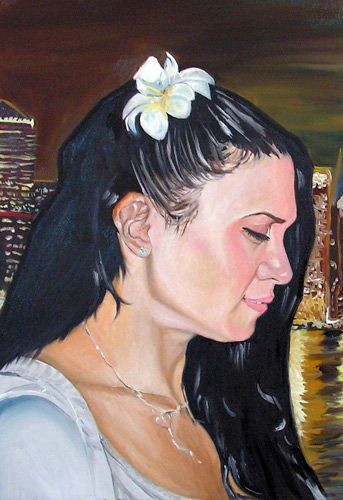
In which techniques can a portrait of a woman be ordered? In oil on canvas, in watercolor on paper, as a drawing in pencil, ink or charcoal, and as a digital portrait. The gallery of this article shows portraits of women in each of these techniques.
Can two women share one portrait? Yes. The gallery of this article includes a double portrait of sisters and a double portrait given as a gift to a mother. A portrait of a whole family is the subject of the article on family portrait painting.
Is a portrait painting a good gift for a grandmother? Of course. A classic portrait of a grandmother in oil on canvas is one option. Another option is a family portrait.
Is it possible to see the painting before it is finished? With an oil portrait, you can ask for photos of its stages while the work is in progress. When it is finished, the portrait is photographed and sent for approval. At this point adjustments and corrections can be requested.
Did women paint portraits in earlier centuries? Yes. The French Royal Academy admitted Adélaïde Labille-Guiard and Élisabeth Louise Vigée Le Brun in 1783, at a time when no more than four women artists could be members. Vigée Le Brun was Marie Antoinette's favorite painter.
What makes a portrait of a woman an unforgettable gift? The ability to capture what lies beyond the features. Ginevra's portrait carries on its back a motto about beauty and virtue. In Vigée Le Brun's copy of her self-portrait, a heavier brow and a fuller lip are part of what gives the portrait its self-assurance. A portrait given as a gift tells the woman who receives it how the people who love her see her.
More questions and answers are gathered on the portrait painting questions and answers page.

A Woman of Valor
"A woman of valour who can find?" asks the Book of Proverbs. A portrait painting of a woman is one answer to the question. Those who commission it have already found the gaze, the smile and what lies behind them. The painting sets them on the wall. From there she goes on looking at the people who love her.
More portraits, in every technique, are waiting for you in the portrait paintings gallery.